
Mel Gibson opened his mouth, mocked a sign language interpreter, and now he’s doing the thing celebrities do when the internet turns on them: the apology tour. Except this one comes with a very specific phrase attached – “no intended maliciousness.” Which, sure, buddy. Let’s talk about that.
What Actually Happened Here
From what I can tell piecing this together, Gibson was caught mocking a sign language interpreter, and the clip did exactly what clips like that always do these days – it spread fast, and not in a good way. People were mad. Deaf and hard-of-hearing advocates especially were mad, and honestly, who could blame them. Mocking the one person on stage doing accessibility work in real time isn’t exactly a great look, even if you’re Mel Gibson and “great look” left the building for you a while ago.
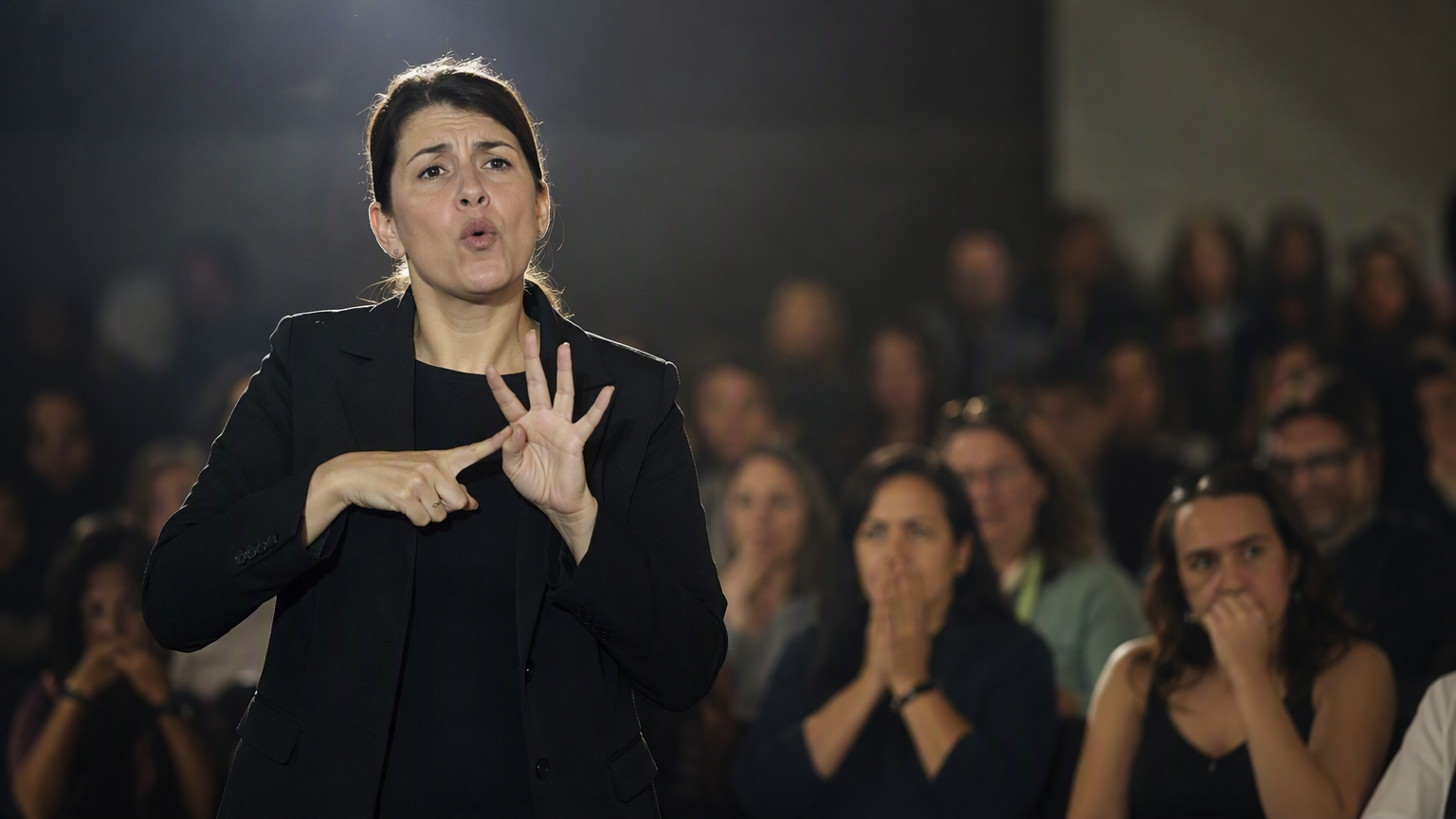
Now he’s calling it “thoughtless idiocy.” I’ll give him this – that’s a more honest phrase than most celebrity apologies bother with. Usually we get “I’m sorry if anyone was offended,” which is basically saying nothing while sounding like something. Gibson at least admitted it was dumb. That’s… something.
The “No Malice” Defense
Here’s the thing though. Intent and impact are two totally different conversations, and famous people mix them up constantly because it’s convenient. “I didn’t mean it that way” might be true. It might even be true here! But that doesn’t erase what actually landed on a community that already deals with being overlooked, mocked, or treated as an afterthought way too often.
Why This Keeps Happening (To Everyone, Not Just Gibson)
I’ve seen this pattern more times than I can count at this point – public figure does something careless, gets called out, issues a statement using the words “no malice” or “no ill intent,” and then waits for the news cycle to move on. It’s basically a script at this point. And look, sometimes it IS genuinely an unthinking moment and not some grand act of cruelty. But that’s exactly why it stings people so much – because it reveals what wasn’t even on someone’s radar to begin with.
Mocking an interpreter isn’t really about hating deaf people. It’s about not thinking deaf people, or the professionals who serve them, matter enough to be careful around. That’s arguably worse in some ways. Malice at least acknowledges the target. Carelessness just erases them.
“It’s not about whether he meant harm. It’s about who gets to be an afterthought and who doesn’t.” – roughly the sentiment echoing across the reaction online, and honestly, a pretty fair one.
The Backlash Isn’t Really About Mel Gibson
Not gonna lie, I think a lot of the anger here isn’t purely about one guy making a bad joke. It’s about a bigger, ongoing frustration – deaf and hard-of-hearing communities have spent years fighting just to get interpreters included at all, at press conferences, award shows, emergency broadcasts, you name it. And then someone with a massive platform turns around and treats that hard-won inclusion like a punchline. That’s the part that actually hurts, more than the joke itself.
Gibson’s history doesn’t exactly help him here either. This isn’t his first controversy rodeo, not by a long shot, and when someone’s got a track record, the “no malice” defense tends to land with a thud instead of landing softly. People remember. The internet definitely remembers. And every new controversy gets read through the lens of the old ones, fair or not.
What This Actually Means
Here’s my honest take: the apology probably calms things down for a news cycle or two, and then everyone moves on until the next celebrity does something similarly careless. That’s just how this cycle works now. But the real story underneath all of it is that accessibility – interpreters, captions, ramps, whatever form it takes – still gets treated as optional or mockable by people who’ve never had to depend on it. That’s the actual problem, and no statement about “intended maliciousness” fixes that.
Maybe Gibson genuinely didn’t think it through. I actually believe that part, for what it’s worth. But not thinking it through is kind of the whole point people are upset about. The bar shouldn’t be “did you mean to be cruel.” It should be “did you bother to think about who you might be laughing at.” And that’s a much harder question to apologize your way out of.