
Kristen Welker asked Donald Trump a question on “Meet the Press” that he clearly didn’t love, and now she’s apparently getting reported to the FCC for it. Yeah, you read that right. The FCC. The agency that regulates broadcast licenses and, last I checked, isn’t supposed to be a tool for presidents to settle scores with journalists who ask tough questions.
So What Actually Happened Here
Trump went on his usual social media rounds and said Welker “will be reported” to the FCC for what he’s calling unfair or biased treatment during her interview with him. Not gonna lie, this isn’t exactly new territory for him. He’s threatened networks before, gone after anchors he doesn’t like, called for licenses to be pulled. But there’s something about doing it this directly, this specifically, that feels like a different gear.
Here’s the thing though – the FCC doesn’t really work the way Trump seems to think it does. It’s not some hotline where the president calls up and says “punish this reporter” and boom, license revoked. There’s process. There’s precedent. There’s the whole First Amendment thing that tends to get in the way of exactly this kind of move. But that hasn’t stopped him from threatening it anyway, and honestly, the threat itself does a job even if nothing ever comes of it legally.
Why This Matters Beyond Just One Interview
I’ve seen this pattern before, and I bet you have too if you’ve been paying attention the last decade. It’s not really about Kristen Welker specifically. It’s about creating a chilling effect – making other journalists think twice before they ask the question that might get them in the crosshairs next. That’s the real play here, whether or not the FCC ever lifts a finger.
What Did Welker Even Ask?
From what’s circulating, the interview covered fairly standard territory for a Sunday show – policy questions, follow-ups, the kind of pushback any host worth their salt should be doing. Nothing that reads, to me anyway, like some kind of gotcha ambush. But Trump’s threshold for “unfair” has always been pretty elastic. Ask a follow-up question he doesn’t like, and suddenly you’re the enemy of the people or whatever framing fits that day’s mood.
“The FCC doesn’t punish journalists for asking hard questions – that’s kind of the whole point of a free press.”
And look, I get that not everyone’s going to agree with me here. Some folks think the media has it out for Trump, that every question is loaded, that there’s a thumb on the scale. Fine, that’s a conversation worth having. But threatening a federal agency’s regulatory power against a specific journalist over a specific interview? That’s not “working the refs.” That’s something else entirely.
The FCC Angle Is Weirder Than It Sounds
Let’s talk mechanics for a second, because I think people gloss over this part. The FCC regulates broadcast licenses – actual TV and radio stations, not individual journalists or even networks in some abstract sense. NBC (which owns Meet the Press) holds licenses for its owned stations, and there’s a long, messy history of complaints filed against networks for supposed bias. Almost none of them go anywhere. The agency generally stays out of content decisions because, again, First Amendment.
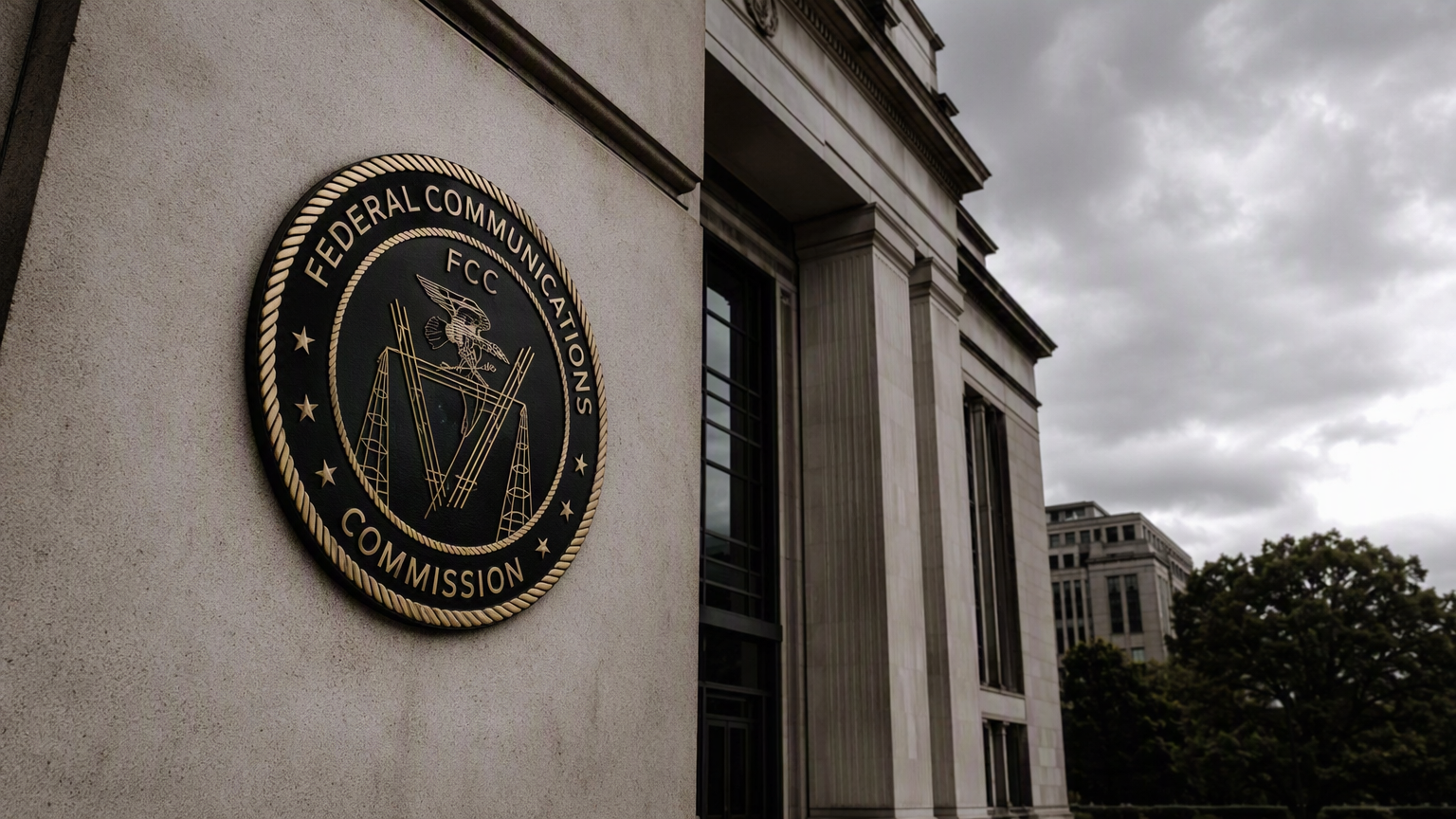
So when Trump says Welker “will be reported,” what does that even mean practically? Is he filing a complaint himself? Is this rhetorical? Is there an actual document somewhere with her name on it going to Commissioners? From what I can tell, it’s murky, and that murkiness might be the point. Vague threats are harder to fact-check than specific ones, and they still land the same punch with his base.
NBC’s Response So Far
NBC hasn’t exactly come out swinging in a big public statement, at least not that I’ve seen reported widely. Networks tend to play these things cool, not wanting to feed the fire or make it a bigger story than it already is. Smart, probably. But also kind of frustrating if you’re someone who thinks institutions should push back harder when this stuff happens.
What This Actually Means
Here’s my honest take: this isn’t really about Kristen Welker, and it’s not really about the FCC either. It’s about power, and about reminding journalists – all of them, not just her – that asking hard questions comes with a cost attached. Whether or not the FCC does anything (and my money’s on nothing), the threat itself is the message.
Will this actually go anywhere legally? Probably not. Has it happened before with basically zero follow-through? Yep, multiple times. But that doesn’t mean it’s harmless noise. Every time this playbook runs and nothing happens, it normalizes the next threat a little more. And that, more than any single interview or any single reporter, is the thing worth paying attention to here.