Twenty years old. That’s it. That’s the whole sentence and it still doesn’t feel real typing it out. MicahJo Barnett scored a touchdown, his team was up 7-0, and less than six minutes later he was gone. Football doesn’t usually work like this. It’s supposed to be the safe part of the day, the part where something good happens and everybody celebrates and moves on to the next play. Not this time.
What Actually Happened at Greene Stadium
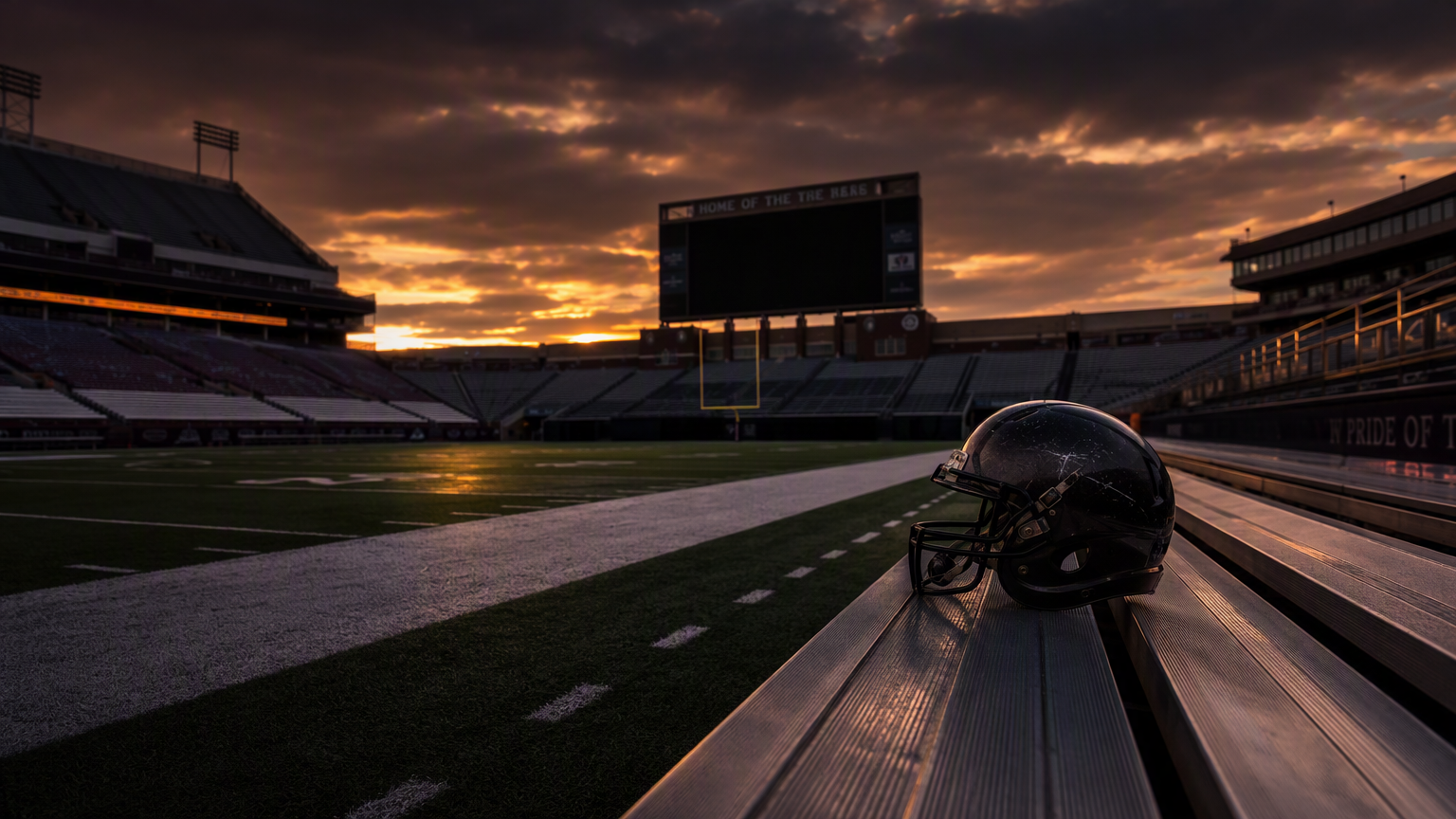
William Jewell College confirmed the news on Saturday, August 29, and honestly, reading the timeline is rough. Barnett ran the ball in for a touchdown with 5:15 left in the first quarter of the Division II season opener against Fort Lewis College. His team’s up 7-0. Everybody’s fired up, it’s opening day, the whole vibe you’d expect. Then, on the sideline, he suffers what officials are calling a medical episode. Around 12:20 pm local time in Liberty, Missouri.
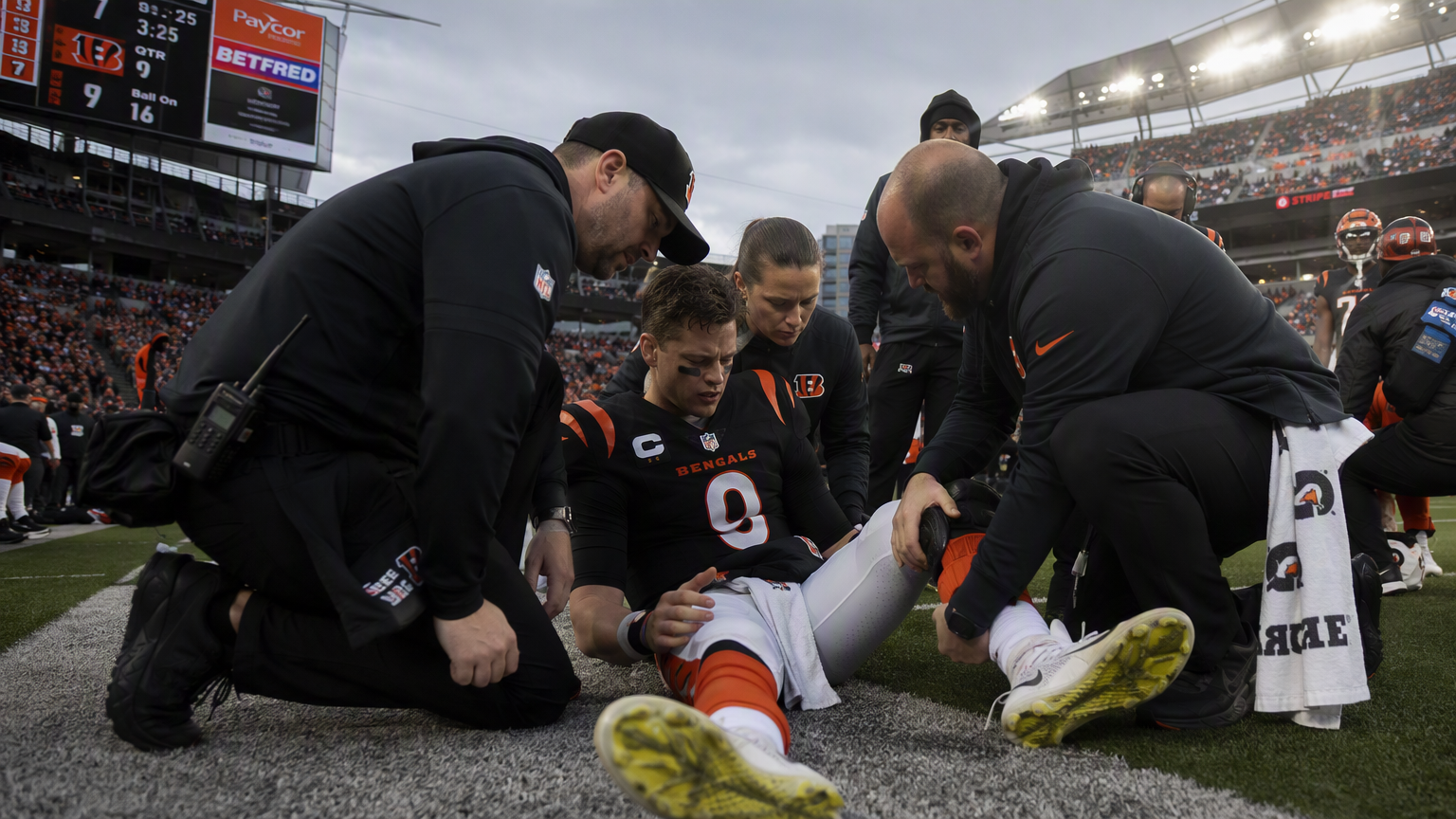
Here’s the thing that’s sticking with me – medical personnel were already there. Not called in after the fact, not scrambling from somewhere off-site. Liberty Police Captain Nathan Mulch told The Athletic that medical staff are on standby for every William Jewell football game, same as they’d be for any other game day. So this wasn’t a case of nobody being prepared. They were tending to him for several minutes right there on the sideline before he was taken away for further treatment. And it still wasn’t enough.
The Cruelest Kind of Timing
I keep coming back to the timing of it all. One touchdown. One tragedy. Those two things happened within minutes of each other, and that’s just brutal to sit with. There’s no clean way to write about this because there’s no clean version of what happened. A young guy does something great on the field, something he probably worked years for, and then his body just… stops cooperating. That’s the part that gets me. Not gonna lie.
Why We Still Don’t Know the “Why”
As of now, there’s no official word on what exactly caused the medical emergency. And look, I get why people want an answer immediately – cardiac issue, heat-related event, something pre-existing, whatever it might be. We want a reason because a reason makes tragedy feel slightly less random. But from what I can tell, nothing’s been confirmed publicly yet, and honestly, that’s probably how it should be handled right now. Families deserve time before speculation turns into a news cycle.
“Medical personnel are on standby for every William Jewell College football game,” Captain Nathan Mulch said, underscoring that this wasn’t a matter of preparedness failing – it was something far more sudden and far harder to stop.
This Isn’t the First Time, and That’s the Scary Part
College and high school athletics have seen this kind of thing happen before, and every single time it opens up the same conversation – are we doing enough screening, are cardiac events in young athletes being caught early enough, is this just an unfortunate outlier or part of a pattern we’re not paying close enough attention to. I don’t have a tidy answer here. Nobody does. What I do know is that a 20 year old scoring a touchdown and then dying on the same field, in the same quarter, is the kind of thing that should make every athletic program pause and ask real questions about screening protocols, not just have a moment of silence and move on to next week’s game.
Because here’s what happens after something like this: there’s a wave of grief, a lot of tribute posts, maybe a moment of silence before the next game. And then, if we’re being honest with ourselves, it kind of fades. Until it happens again somewhere else. That cycle is exhausting and it’s also completely avoidable if programs actually treat these events as data points instead of isolated freak accidents.
What This Actually Means
I don’t think there’s a neat lesson here. There’s a family in Liberty, Missouri right now that’s lost a son, teammates who watched a friend collapse minutes after his biggest moment of the season, and a whole athletic department that has to figure out how to keep playing games this fall while carrying this with them. That’s not something you wrap up with a life-goes-on paragraph.
What I hope happens, and what honestly should happen, is that this pushes schools – not just William Jewell, all of them – to take a hard look at cardiac screening for young athletes, at how quickly medical response actually translates to outcomes even when staff are right there like they were on Saturday. Sometimes being prepared isn’t enough. That’s a scary thing to sit with, but pretending otherwise doesn’t help anybody either.
MicahJo Barnett scored a touchdown on August 29th. That’s how his season started. It’s also, it seems, how it ended. I don’t know what else there is to say about that except that it shouldn’t have happened, and I hope his team, his family, and everyone who knew him get whatever version of peace is possible after something this sudden.