
Here’s a fun fact nobody puts on the “Welcome Back to School” flyer: that first day of kindergarten drop-off? It’s basically a germ swap meet. Twenty-something kids who spent all summer on separate playgrounds, in separate pools, in separate air-conditioned living rooms, suddenly crammed into one classroom sharing crayons and, let’s be honest, probably a few boogers. Give it two weeks. Maybe three if you’re lucky. Then it’s fever, then it’s your other kid, then it’s you, and suddenly your whole house sounds like a tuberculosis ward from a 19th century novel.
The Back-to-School Germ Reset Is Real, and It’s Coming
Every parent who’s been through this more than once knows the drill. Summer is basically a germ ceasefire. Kids are outside, spread out, not licking the same water fountain spout forty times a day. Then September hits and it’s like flipping a switch. All that immune-system downtime? Gone. The virus buffet is back open.
And look, I’m not trying to be doom and gloom here. This is just… how it works. Kids get sick. It’s part of growing up, part of building an immune system that can actually fight things off later. But knowing it’s coming and being ready for it are two very different things. The families who handle this season the best aren’t the ones who somehow dodge every cold (nobody does that). They’re the ones who had medicine in the cabinet before the first cough started, not the ones sprinting to CVS at 11pm during a fever spike.
Why Waiting Until Someone’s Sick Is a Mistake
Think about it this way. You don’t want to be reading ingredient labels and comparing dosages while your kid is crying on the bathroom floor at 2am with a 102 fever. That’s a terrible time to be making decisions. You want that decision already made. Medicine cabinet stocked, dosages known, brand picked out, done. One less thing to think about when everything else is chaos.
So What Should Actually Be in That Cabinet?
This is where a lot of parents get stuck, honestly. Walk down the kids’ medicine aisle and it’s overwhelming. Bright colors, cartoon characters, forty different “fast-acting” claims. But if you start reading the actual ingredient lists on a lot of these mainstream options, things get a little less charming. Artificial dyes, synthetic flavors, preservatives with names you can’t pronounce. Not exactly what you want going into a five-year-old’s body just to bring down a fever.
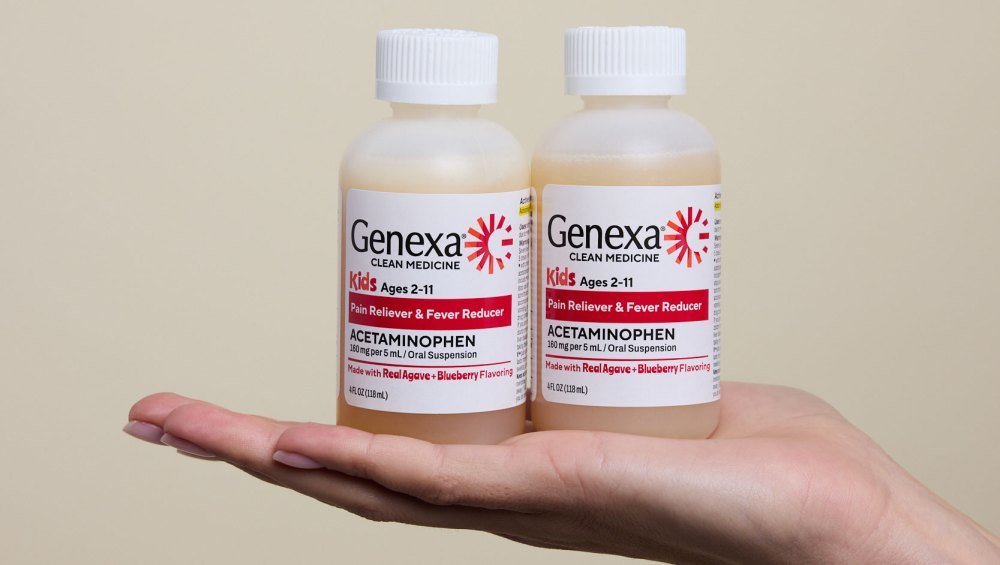
That’s basically the whole reason Genexa exists. They make clean medicine – real medicine, FDA-regulated, doctor-formulated, the works – just without the junk. No artificial dyes, no synthetic flavors, no unnecessary fillers. It’s still acetaminophen or ibuprofen doing the actual work (because that’s what actually treats pain and fever, let’s not get it twisted), it’s just not wrapped in a bunch of stuff that doesn’t need to be there.
“You shouldn’t have to choose between medicine that works and medicine that’s clean,” is basically the whole philosophy behind brands like this – and honestly? That shouldn’t be a controversial idea, but somehow it took decades for someone to actually build a company around it.
Why This Matters More Than People Think
Here’s the thing that gets lost in all this. Parents are already stretched thin during back-to-school season. New schedules, new supply lists, new anxieties about drop-off and pickup and whether your kid remembered their lunchbox. Adding “figure out which medicine won’t upset my kid’s stomach or trigger a dye sensitivity” to that list is exhausting.
Genexa basically takes that decision off the table. You know going in what’s in the bottle. No guessing, no label-squinting at 2am, no googling “is Red 40 bad for kids” while your kid is mid-meltdown from a fever. That mental bandwidth matters more than people give it credit for, especially during a season when everyone’s already running on fumes.
I’ll admit, I was skeptical the first time I heard “clean medicine” as a marketing term – it sounded like the kind of thing that’s more about vibes than substance. But when you actually look at what’s different (real ingredient transparency, no unnecessary additives, still using clinically proven active ingredients), it’s not just branding. It’s a legitimately different product, just one that happens to also look nice on a shelf.
Stock Up Now, Not Later
This is the part I really want to hammer home. Add it to the school supply list. Right next to the glue sticks and the folders and the box of tissues your kid’s teacher definitely asked for. Fever reducer, pain reliever, maybe a cough option if your household tends to go that route. Get it now while everyone’s still healthy and you have time to actually think it through, not during the first fever spike of the semester when you’re not thinking clearly at all.
- Check dosages for your kid’s current weight (they’ve probably grown since spring)
- Have both a fever reducer and pain reliever on hand
- Don’t wait for the first sniffle to start shopping
- Read the label once, calmly, before you actually need it
What This Actually Means
Look, nobody’s pretending clean medicine is going to stop your kid from getting sick. That’s not how any of this works. Germs are germs, kids are germ magnets, and September through November is just… the season. What you can control is how prepared you are when it happens, and honestly, what you’re comfortable putting into your kid’s body when it does.
Getting ahead of it – stocking the cabinet now, picking a brand you actually trust the ingredients on, not waiting until you’re desperate at a pharmacy at midnight – that’s the real move here. It won’t make the germ season fun. Nothing makes the germ season fun. But it takes away one more thing to stress about, and honestly, during back-to-school chaos? I’ll take every small win I can get.