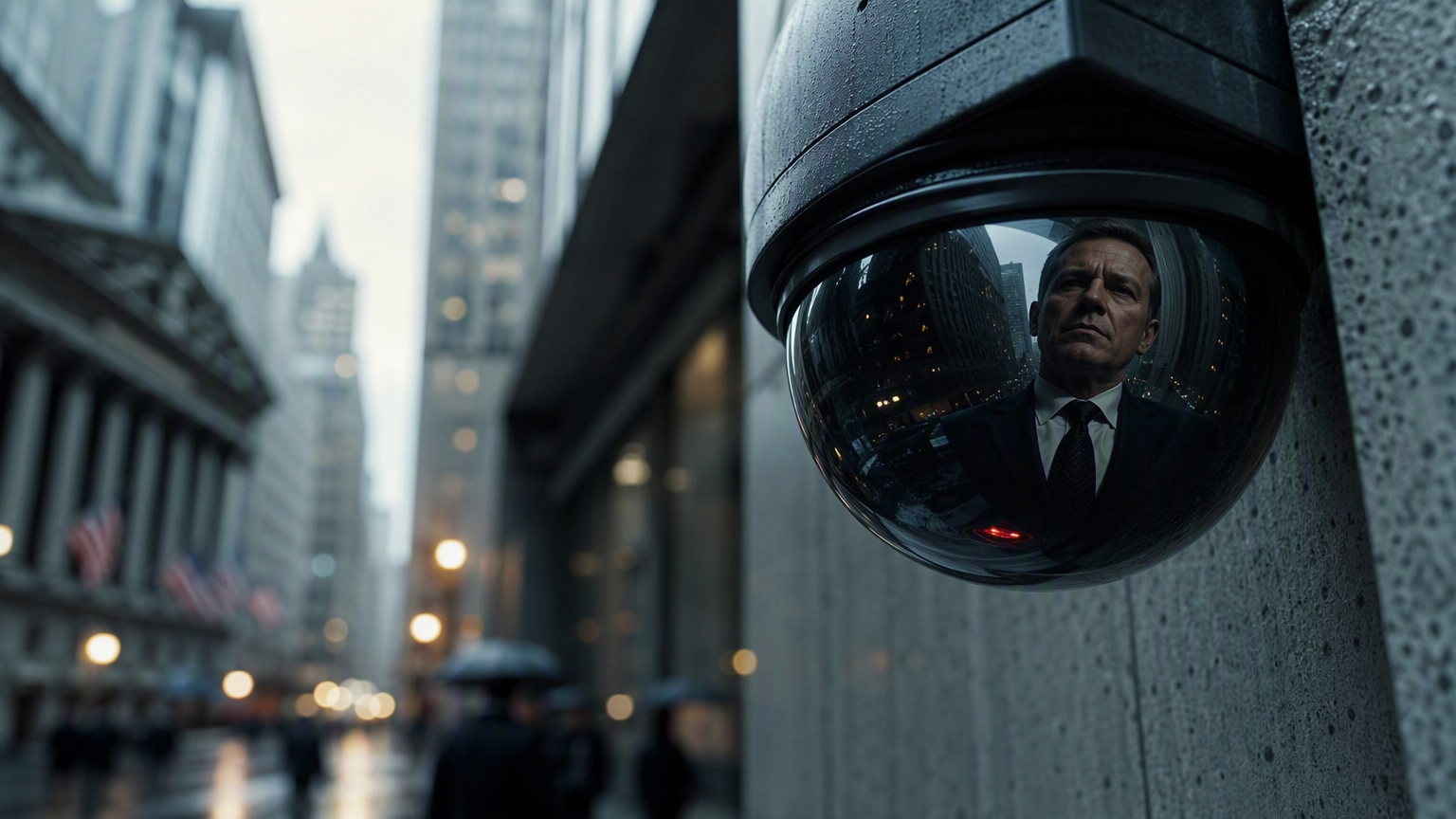
So someone doxxed the CEO of a mass surveillance company, and the internet’s reaction has basically been “well, yeah.” Flock Safety’s Garrett Langley found his home address circulating on Reddit and X this week, and the timing is almost too perfect. This is the guy running a company that’s put automated license plate readers on something like 5,000 communities across the country, and now he’s getting a small taste of the exact kind of exposure his cameras hand out every single day. Poetic doesn’t even cover it.
Wait, How Did This Even Happen?
Here’s the thing – nobody needed some elite hacker collective to pull this off. From what I can tell, people just… looked. Public records, old real estate listings, maybe a LinkedIn crumb here and there. That’s the uncomfortable part of this whole story. The same “oh it’s all public information anyway” defense that Flock and companies like it lean on to justify slurping up your license plate data? That’s the exact same logic Reddit users applied to find Langley’s house.
I’ve seen this pattern before with tech execs who build products that erode privacy and then act shocked – shocked! – when their own privacy takes a hit. It happened with data broker founders. It happened with a few ad-tech guys. And now it’s happening to a company whose entire business model is “we know where your car has been.”
A Quick Refresher on What Flock Actually Does
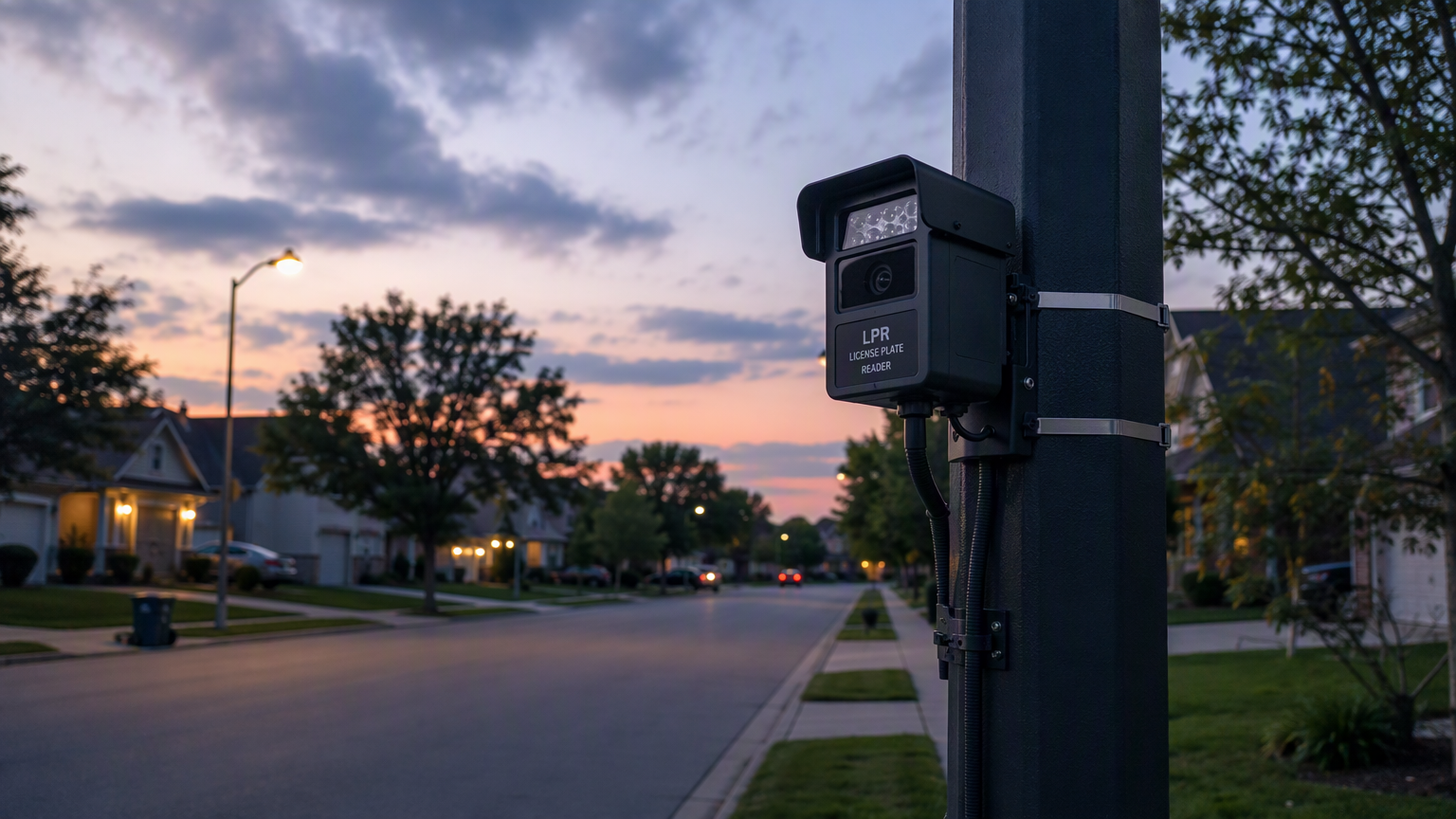
For anyone not deep in this rabbit hole yet, Flock makes those license plate reading cameras you’ve probably driven past without noticing. They’re mounted on street poles, in HOA neighborhoods, near Walmarts, basically everywhere. The company pitches itself as a crime-fighting tool for police departments and neighborhoods, and sure, it’s helped solve some cases. Nobody’s arguing that part.
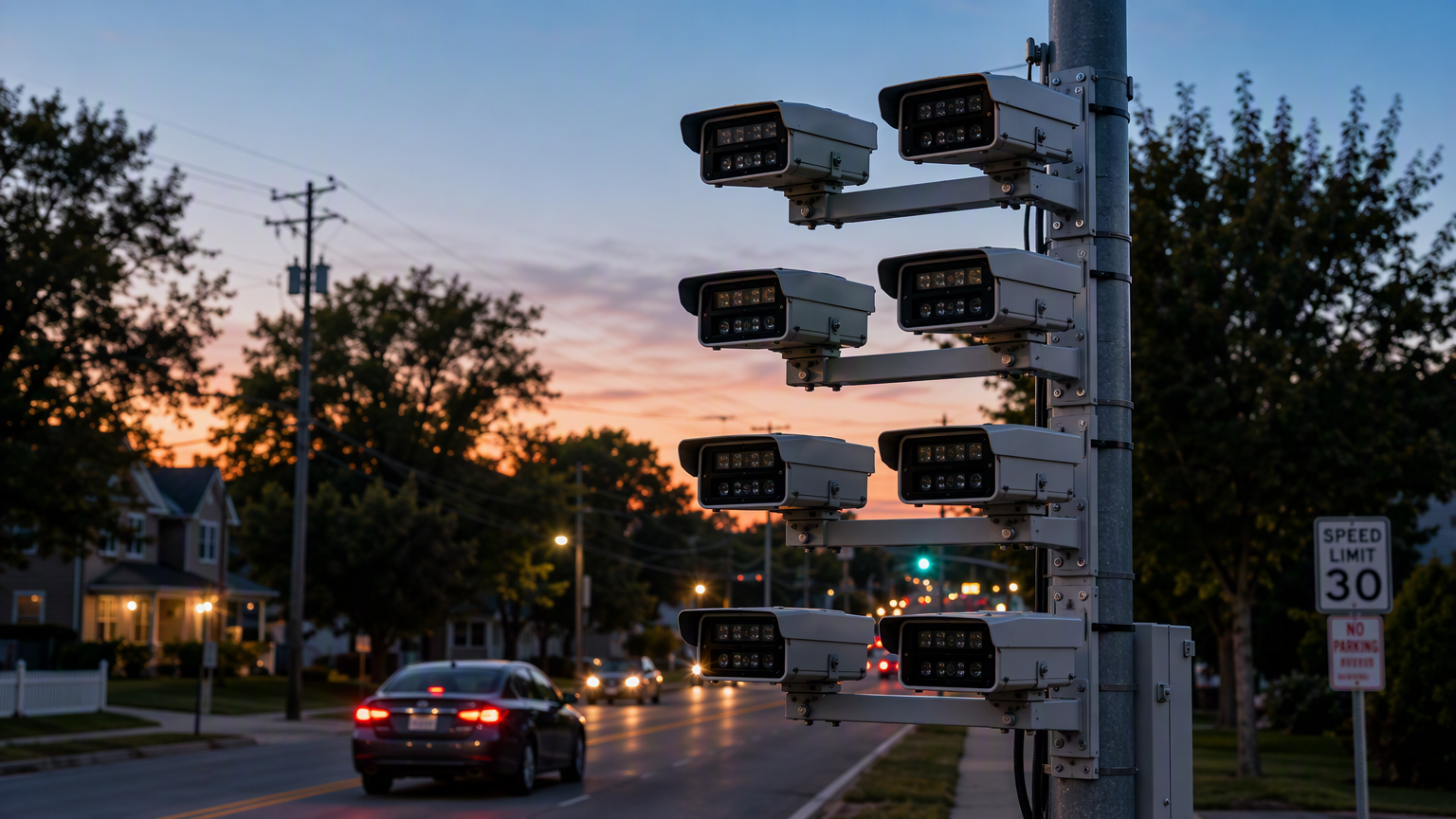
But – and this is a big but – the scale of it is what freaks people out. We’re talking about a nationwide, searchable database of where cars go, built without much public debate about whether that’s something we actually want. Cops in one state can query plate data collected by cameras in a totally different state. Immigration enforcement has reportedly tapped into this stuff too. That’s not a hypothetical, that’s been reported on for months now.
So Why Is Everyone Piling On Langley Specifically?
Because he’s the face of it, plain and simple. When your company builds the infrastructure for tracking millions of people’s movements, and then your own address gets tracked down and shared, people are going to notice the irony. Loudly. On Reddit’s r/technology thread that blew this up, the top comments weren’t exactly sympathetic. A lot of “welcome to the surveillance state you built” energy.
“You built the panopticon, don’t be shocked when someone points it at you” – one of the more repeated sentiments floating around the thread
Not gonna lie, I get the schadenfreude here. It’s satisfying in a petty, human way. But I also think it’s worth separating “this feels karmically fair” from “this is actually a good thing to do.” Doxxing somebody’s home address is genuinely risky, for him and honestly for his family too, regardless of what industry he’s in. Two things can be true at once: his company’s tech is genuinely concerning, and doxxing him isn’t some clean moral victory.
The Bigger Pattern Nobody’s Talking About Enough
What’s interesting here is how this incident is basically a live demonstration of the exact argument privacy advocates have been making for years. The whole “if you have nothing to hide, you have nothing to fear” line falls apart real fast the second it’s your own address, your own routine, your own life under the microscope. Funny how that works.
Flock has said publicly that plate reader data is meant for law enforcement use only, with policies around retention and access. Okay, sure. But policies are only as good as their enforcement, and there have already been reported cases of misuse – officers looking up exes, data getting shared outside its intended scope, that kind of thing. When you build a system this powerful, the guardrails matter way more than the marketing copy suggests.
And that’s really the core tension. Flock isn’t some shadowy company operating in secret. They’re pretty open about what they do. The issue people have isn’t secrecy, it’s scale and access. One camera on your street isn’t a big deal. Thousands of cameras networked together, searchable by agencies across state lines, with murky rules about who gets to look and why? That’s a different animal entirely.
What This Actually Means
I doubt this doxxing incident changes much for Flock’s business. Companies like this rarely take a hit from bad press cycles, especially when their customers are police departments and city governments who’ve already signed contracts. But it does change the conversation a little bit. It puts a face – a literal home address – on an abstract debate about surveillance infrastructure that most people had probably never thought hard about before this week.
My honest take? This won’t be the last time we see this exact dynamic play out. As more of these mass-surveillance-adjacent companies scale up, their executives are going to keep running into the same uncomfortable mirror. You can’t build a business on “information should be accessible” and then act stunned when that principle gets turned back on you. Whether Flock adjusts anything about its practices because of this remains to be seen. From where I’m sitting, probably not much changes at the corporate level.
But somewhere, a lot of people are feeling pretty vindicated right now. And maybe that’s the real story here, not the address itself, but how many people were just waiting for a moment like this.