
So here’s a stat that should make every city council member sweat a little: contract cancellations for Flock Safety’s license plate reading cameras hit a record pace in August. Not a slow trickle. A record. Cities that signed up a year or two ago, all excited about “smart” surveillance, are now quietly (and sometimes not so quietly) walking away.
Wait, What Even Is Flock?
For anyone who hasn’t been paying attention (no judgment, there’s a lot going on), Flock Safety makes those automated license plate reader cameras you’ve probably driven past a hundred times without noticing. They’re mounted on poles at neighborhood entrances, along highways, tucked into HOA cul-de-sacs. The pitch was simple: catch stolen cars, find missing persons, help solve crimes. Sounds great on paper, right?
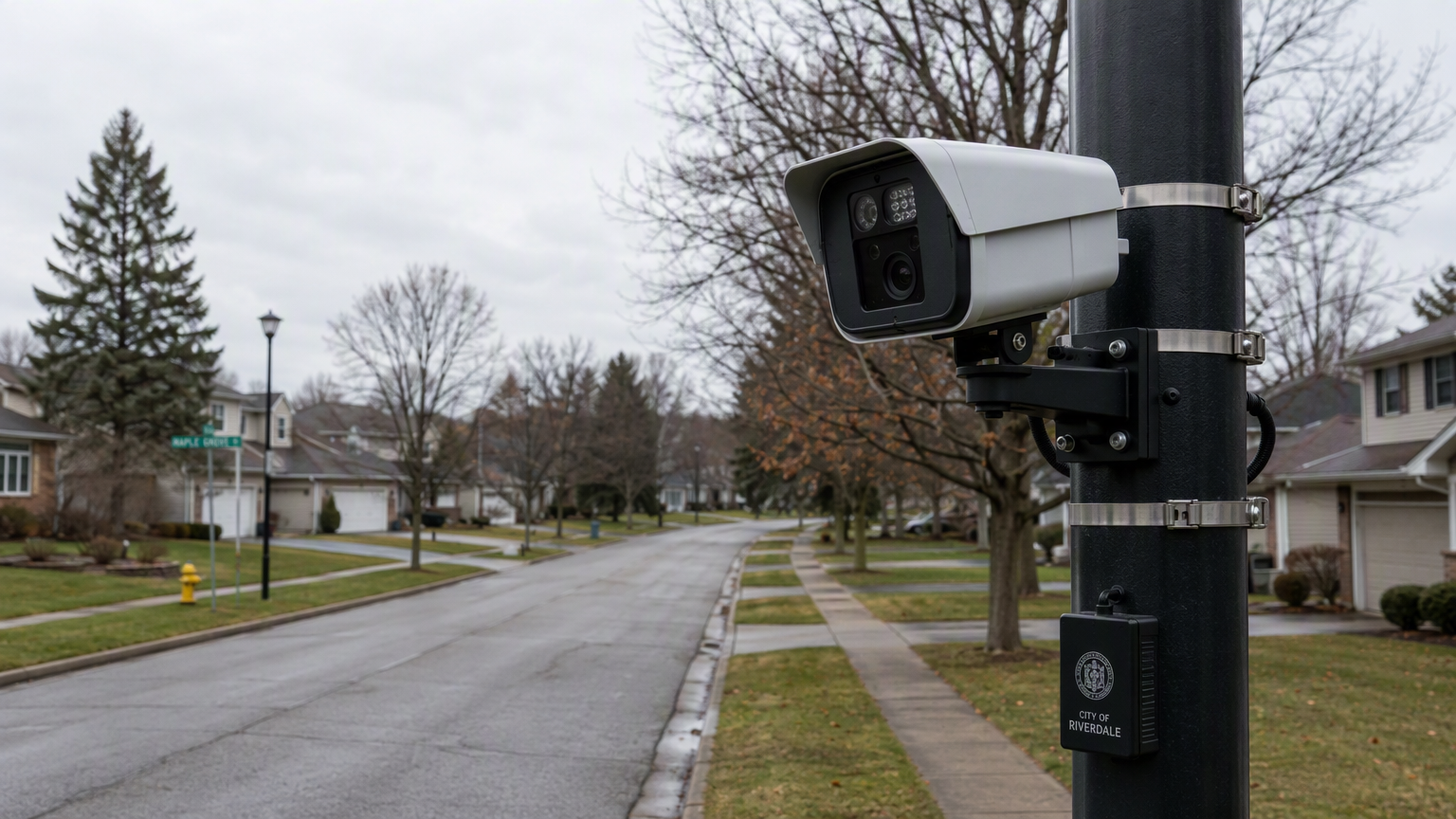
But here’s the thing. These cameras don’t just look for stolen cars. They log every single plate that passes by, tag it with a timestamp and location, and store that data. Basically building a movement history for anyone driving through town. And that data doesn’t just sit in a vault somewhere in one city’s server room. Flock’s whole business model leans on a shared national network, where departments can search plates across state lines. Convenient for cops, sure. Also kind of terrifying if you think about it for more than five seconds.
The Honeymoon Phase Is Over
A couple years ago cities were signing up left and right. Cheap-ish contracts, flashy dashboards, promises of dropping crime rates. Classic tech-vendor sales pitch, and it worked. Not gonna lie, I get why. Local governments are under pressure to “do something” about crime, and a camera system that promises results without hiring more officers? Easy yes for a budget committee.
So Why the Sudden Breakup?
This is where it gets interesting. A few things converged at once. First, journalists and privacy researchers started actually digging into how the data was being used, and it wasn’t pretty. There were reports of officers running searches with zero connection to an actual investigation. Just… curiosity searches. Checking on an ex. Tracking a coworker. That kind of thing tends to end careers and lawsuits once it goes public.

Second, and this one’s bigger than people realize, is the immigration enforcement angle. Several investigations found that local police data was being accessed by federal agencies, including ICE, through Flock’s network, sometimes without local officials even knowing it was happening. Cities in blue states especially freaked out about this. City councils that thought they were buying a crime-fighting tool suddenly realized they’d built a surveillance pipeline they had zero control over.
“We were told this was about catching car thieves. We didn’t sign up to become a data source for agencies we have no oversight over.” – a city council member, paraphrasing the sentiment showing up in meeting after meeting
The Money Angle Nobody Talks About Enough
Look, privacy concerns get the headlines, but let’s be honest about the boring part too: these contracts aren’t cheap once you actually run the numbers over multiple years. Some cities are realizing they’re paying six figures annually for a system that… didn’t really move the needle on crime stats the way it was promised. When the ROI doesn’t show up and the PR nightmare does, that’s a pretty easy contract to kill.
What’s interesting here is how fast this flipped. A year ago, city council meetings were full of Flock reps giving polished presentations with crime-drop percentages on slides. Now those same meetings have residents showing up with printouts of news articles about data sharing scandals. That’s a whiplash-level reversal, and it happened in, what, 18 months? Maybe less.
It’s Not Just One or Two Cities
I’ve seen this pattern before with other tech rollouts (looking at you, various “smart city” pilot programs that quietly died), but the scale here feels different. We’re talking dozens of municipalities across multiple states pulling out, some mid-contract, eating termination fees just to get out. That tells you something. When a city is willing to pay to leave early, it means the political heat got too hot to just ride it out.
And it’s not only progressive cities either, which I think surprises people. Some conservative-leaning towns are backing out too, mostly over the federal overreach angle rather than general privacy philosophy. Different reasons, same outcome. Funny how that works sometimes.
What This Actually Means
Here’s my honest take: this isn’t really about Flock the company specifically. It’s a preview of what’s coming for basically every surveillance tech vendor selling to local government right now. The pattern is becoming clear – roll out fast, promise safety, skip the hard conversations about data governance, and hope nobody asks too many questions until the contract’s already signed. That playbook is starting to fail.
Cities are learning (the hard way, as usual) that you can’t bolt a privacy policy on after the fact. You need it baked in before a single camera goes up a pole. Flock will probably survive this wave, they’re too embedded in law enforcement culture at this point to just vanish. But the easy-growth era, where nobody asked hard questions, is done. I’d bet money the next round of vendor contracts we see, whatever company is selling them, comes with way more scrutiny attached.
The real question nobody’s answered yet: once a city rips out this infrastructure, does the data that was already collected just disappear? Because from what I can tell, that part’s still murky. And that should probably worry people more than it currently does.