Dolly Parton’s sister posted something online recently that stopped me mid-scroll, and I don’t stop scrolling for much anymore. It wasn’t a polished statement or a PR-approved tribute. It was raw, personal, and it revealed something about Dolly that honestly tracks with everything we already knew about her – she was willing to take experimental cancer drugs, not necessarily because she thought it would save her, but because it might help someone else down the line.
I’ll be honest, that hit me harder than I expected.
What Actually Happened Here
According to the tribute from her sister, shared online and picked up widely after it started circulating on Reddit and elsewhere, Dolly was open to trying treatments that weren’t guaranteed, weren’t fully tested, weren’t the safe bet. The kind of drugs that researchers need real patients to try before they can move forward. That’s not a small thing to sign up for. Most people, when they’re sick and scared, want the sure thing. The tried and true. Dolly apparently wanted the opposite – she wanted to be useful, even in that.
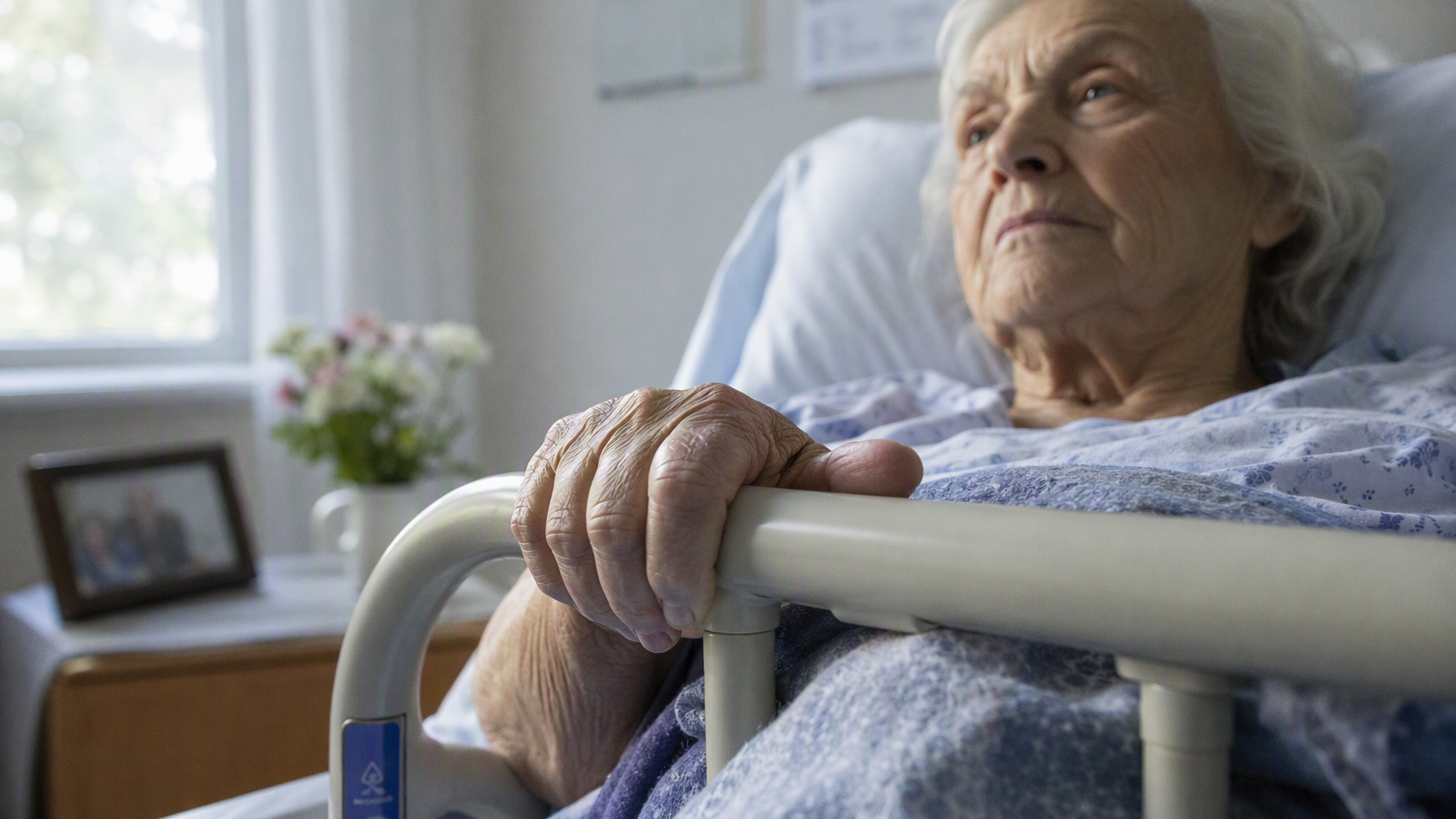
And look, I’ve read a lot of celebrity tribute posts over the years. A lot of them. Most of them blur together – lots of “she was an angel,” “gone too soon,” the usual. This one felt different because it was specific. It wasn’t about her music or her legacy in the abstract sense. It was about a choice she made when things got hard, and that choice says a lot about who she actually was underneath all the wigs and rhinestones and one-liners.
Why This Detail Matters
Experimental treatment isn’t glamorous. It’s not the stuff of headlines usually – people don’t run around bragging about being part of a clinical trial. It’s uncertain, it’s sometimes uncomfortable, and there’s a real chance it does nothing for you personally. You’re basically volunteering to be a data point so science can move an inch further down the road. That takes a certain kind of person. Not everyone says yes to that.
Was This Really Surprising, Though?
Here’s the thing – if you’ve followed Dolly Parton for any length of time, this shouldn’t shock you at all. This is a woman who funded a huge chunk of the Moderna vaccine research back in 2020 and then joked about getting her own shot on camera, saying “Dolly’s guinea pig.” She’s been quietly (and not so quietly) pouring money and effort into causes for decades – literacy programs, disaster relief, children’s hospitals. The pattern is consistent. She gives. She keeps giving. And apparently that didn’t stop even when it was her own body on the line.
“She just wanted to help other people, even at the end. That was Dolly.”
That’s basically the sentiment her sister captured in the tribute, and honestly, it lines up with the version of Dolly that’s been visible in the public eye for fifty-plus years now. Not a manufactured image. Not gonna lie, it’s rare to see a public figure whose private choices match their public reputation this cleanly.
The Bigger Picture Nobody’s Talking About
What strikes me here is how quietly this all happened. There was no press tour about it. No big announcement saying “Dolly Parton bravely tries experimental cancer treatment for the good of humanity.” It came out through a sister’s personal tribute, after the fact, almost as an aside. That’s kind of the whole point though, isn’t it? She wasn’t doing it for the story. She was doing it because someone had to, and she figured it might as well be her.
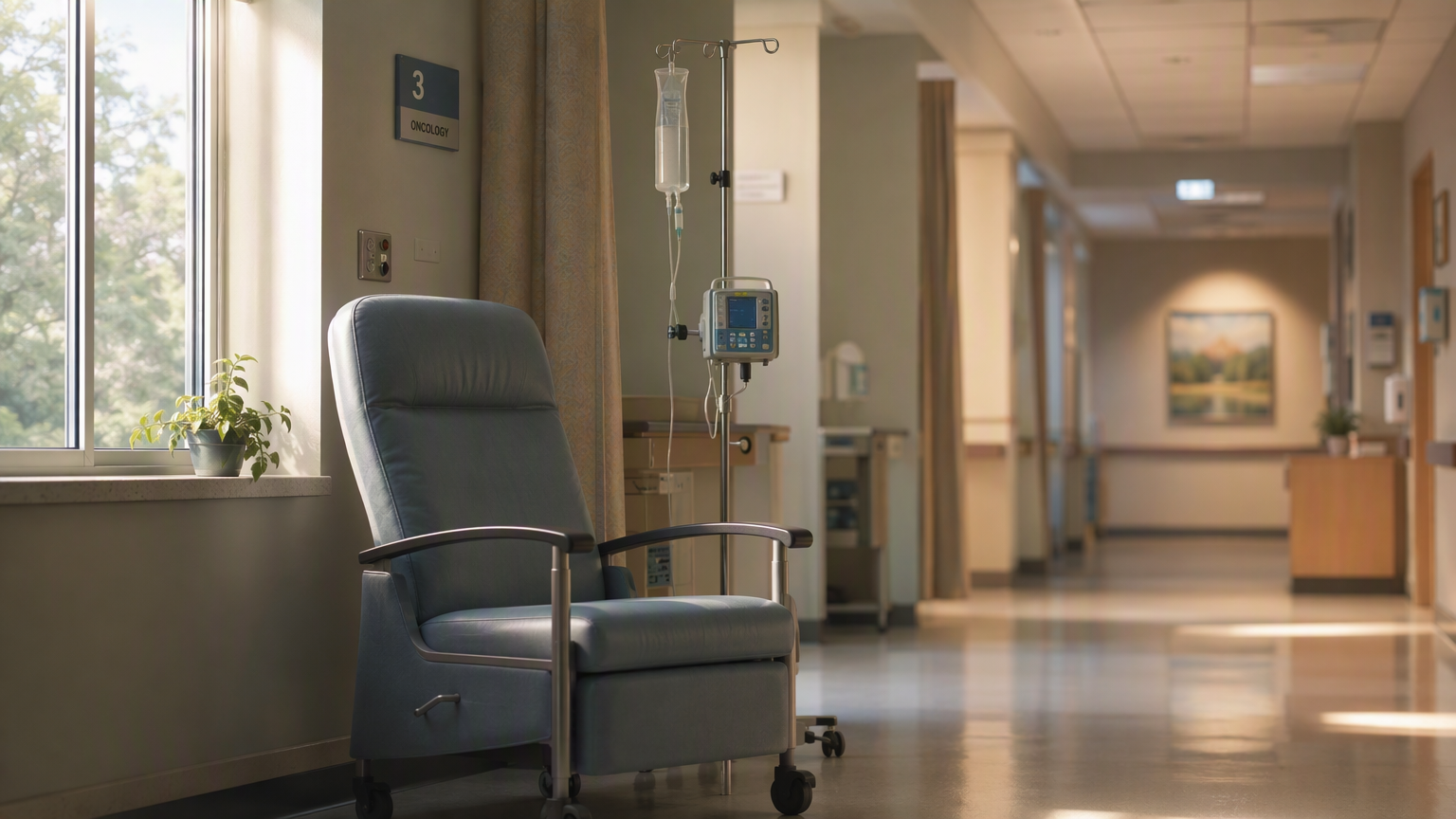
I think about how clinical trials actually work in this country, and it’s not pretty. Recruitment is famously hard. Researchers struggle for years sometimes to get enough participants for trials that could lead to actual breakthroughs – for cancer, for rare diseases, for all kinds of things. Part of that is fear, part of it is access, part of it is just people not knowing trials exist or not trusting the process. When someone with Dolly’s platform makes a choice like this, even quietly, it chips away at some of that hesitation. People pay attention to what she does. They always have.
What This Actually Means
I keep coming back to the phrase “final gift” because it fits so well it almost feels too neat, except it isn’t neat at all – it’s messy and human and exactly the kind of thing you’d expect from someone who spent her whole career giving stuff away, whether it was songs, scholarships, or vaccine funding. She didn’t have to say yes to experimental treatment. Nobody would’ve blamed her for choosing comfort and certainty instead. But she didn’t, and now we know that, and it changes how I think about her just a little bit more.
Maybe that’s the real legacy here. Not the rhinestones, not “9 to 5,” not even Dollywood. Just a woman who, even when facing the scariest thing a person can face, was still thinking about who might benefit from her choices after she was gone. That’s not something you can fake, and it’s not something everyone’s built for.
I don’t know what else to say except – that’s a hell of a way to go out.