So, What’s the Big Deal, Anyway?
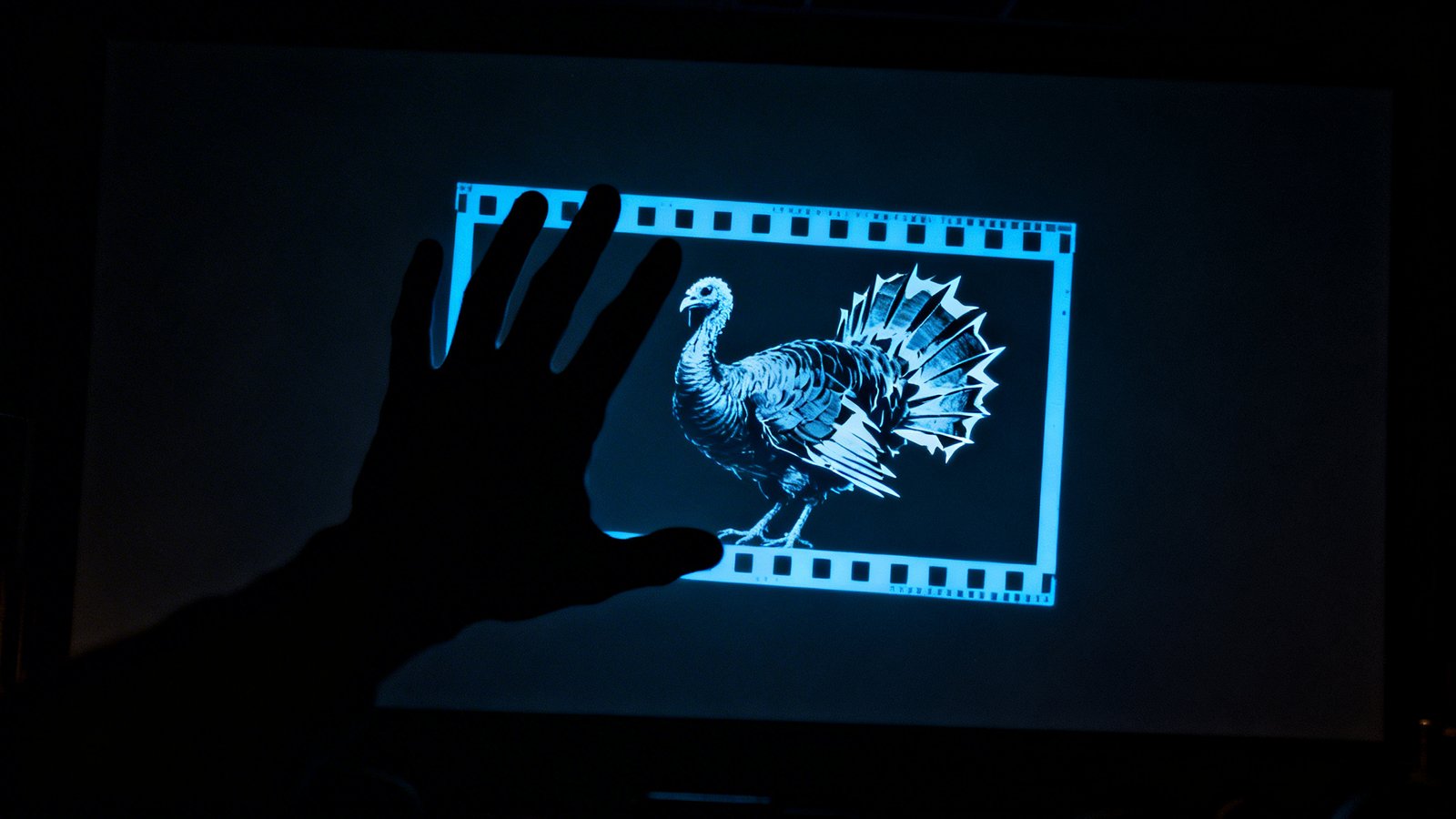
So ‘Thanksgiving Day.’ You probably saw the headlines, or maybe some angry tweets. It was a short film, made largely – or entirely, depending on who you ask and how much they wanna argue about definitions – with AI. And when it started getting buzz, not all of it was good buzz, trust me. People were pissed. Like, genuinely, viscerally upset. Not just critics, but a lot of actual filmmakers, artists, graphic designers, you name it. The outrage was less about the film itself, from what I could tell, and more about the how. The AI part. It felt… wrong to a lot of folks. Like a direct threat, a digital dagger aimed at human creativity.
And AMC, bless their hearts (or maybe their marketing department), paid attention. They came out and said, pretty clearly, that they won’t be screening ‘Thanksgiving Day.’ The exact quote was something like, “We will not participate in the exhibition of this film.” Short. Sweet. To the point. No waffling. And honestly, I gotta say, good for them. Or at least, I get it. The thing is, this isn’t just about one goofy short film. It’s about a bigger, much hairier monster that’s been lurking around the edges of every creative industry for the last year or so. AI.
The Line in the Sand, Or Just a Pothole?
What’s interesting here is why AMC drew this particular line. Was it the quality? Probably not the main reason, let’s be real. There’s plenty of questionable stuff that hits the big screen. No, this was a response to the outcry. The public pressure. The artists screaming, “Don’t normalize this!” And that’s a powerful thing, you know? When enough people get loud enough, even big corporations sometimes listen. They’re not doing it out of the goodness of their hearts, necessarily. They’re doing it because they don’t want the headache. They don’t want to be seen as the bad guys, the ones enabling the AI takeover. It’s a calculated move, sure, but it’s still a win for the anti-AI crowd, at least for now. It says, “Hey, we see you. We hear you.”
Is This the New ‘Talkies’ Moment?
But wait. Doesn’t this feel a little… Luddite-y? Like, are we really going to start banning films because of the tools used to make them? I mean, cinema has always evolved, right? From silent films to talkies – imagine the purists back then! “Sound? In my pictures? Preposterous!” – to color, to CGI. Every single technological leap has had its detractors. And sometimes, yeah, those detractors had a point. But mostly, the tech just became part of the toolkit.
“The fear isn’t just about bad art; it’s about the very soul of creation. It’s about what we value when we go to the movies, what we understand ‘authorship’ to mean. And right now, that understanding feels pretty shaky.”
This AI thing, though, it feels different. Not just a new camera or a fancier editing suite. It’s a question of authorship. Of effort. Of what constitutes “art” when a machine can spit out something that looks, well, artistic, in a fraction of the time and with none of the blood, sweat, and tears. And that’s where the real rub is. That’s why AMC’s decision, even for a short film, feels significant. It’s not just a rejection of a movie; it’s a rejection of a method.
The Uncanny Valley of Creative Labor
The truth is, AI-generated content, especially video, is often still… off. It’s got that uncanny valley vibe. Faces can be weird. Movements can be stiff. It’s like watching a dream sometimes, where everything is familiar but slightly wrong. And that’s fine for some experimental stuff, maybe. But for a mainstream movie theater chain to greenlight it? That’s a different story.
And let’s be real, a lot of the initial AI stuff, especially in images and video, is basically a fancy collage machine. It’s taking existing human-made art, digesting it, and spitting out something new but derived. That’s why artists are so up in arms. Their work, their unique styles, their very livelihoods, are being fed into these machines without consent, without compensation. It’s a digital land grab, and it’s ugly.
So, when AMC steps back, it’s not just saying, “This film isn’t good enough.” It’s saying, “We’re not going to be seen as complicit in something that’s actively upsetting a significant portion of the creative community and, frankly, our audience.” It’s a business decision, sure, but it carries a moral weight, whether they intended it to or not. It’s like a tiny, flickering light in the dark, saying, “Hey, maybe there are some lines we shouldn’t cross just because we can.”
What This Actually Means
Look, AI isn’t going away. That’s a fact. It’s gonna get better, faster, scarier. It’s gonna be a part of filmmaking, whether we like it or not, just like CGI eventually became ubiquitous. But this AMC decision? It’s a speed bump. A moment of pause. It tells me that the conversation isn’t over. That artists do have power, especially when they collectivize and make some noise.
It also means that the public, you and me, we still value human touch. We still want to believe in the singular vision of an artist, the struggle, the craft. We don’t want our stories regurgitated by algorithms. Not yet, anyway. Maybe someday, a fully AI-generated film will be so indistinguishable from human work, so emotionally resonant, that we won’t care. But we’re not there. Not even close.
So for now, AMC’s “nope” is a pretty big “yes” to the human element. It’s a nod to the thousands of people who pour their lives into making movies. And that, if I’m being honest, makes me feel a little bit better about the future of storytelling. Just a little. Because if we lose that human connection, what’s even the point of going to the movies at all… you know?