
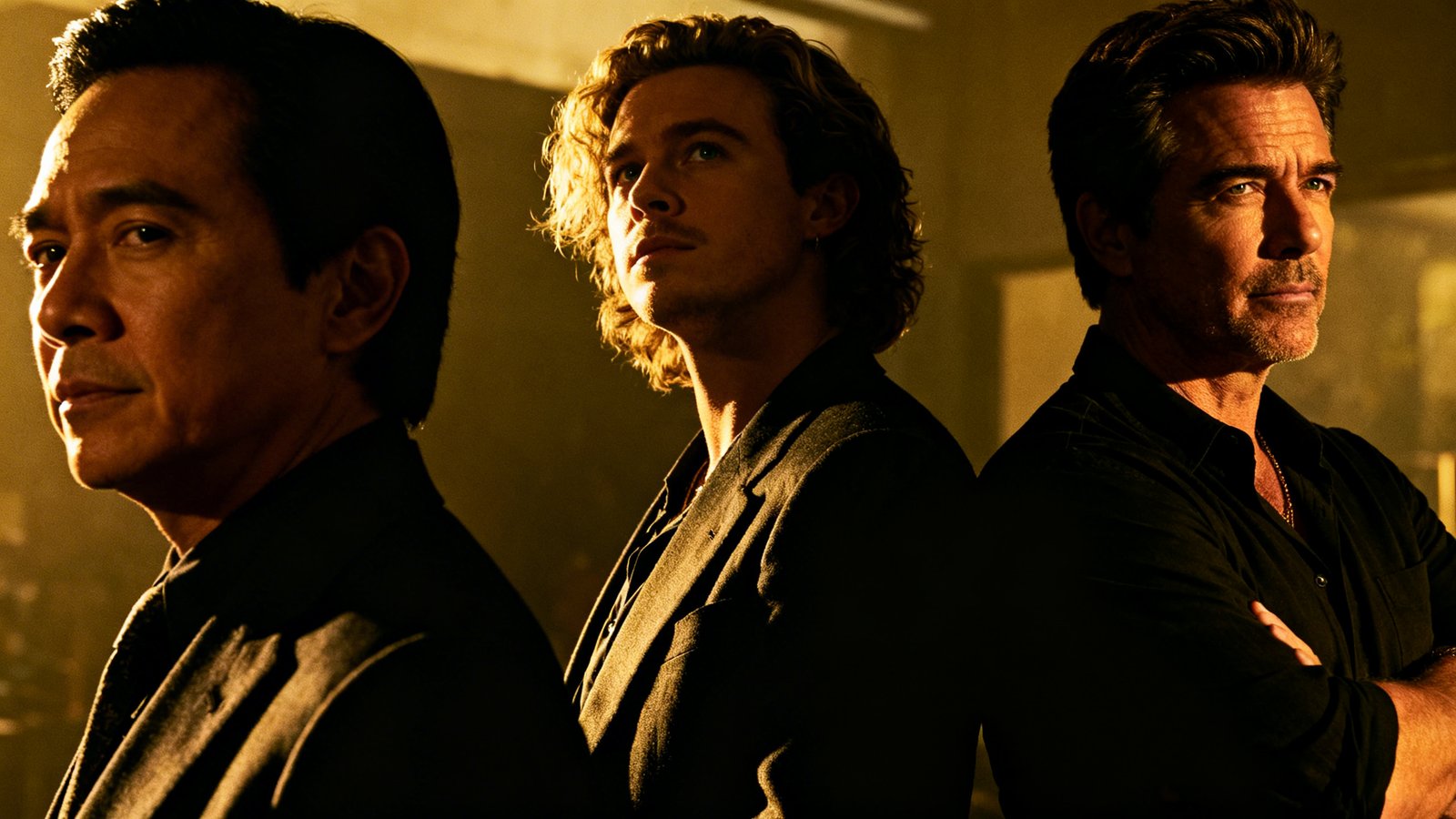
Okay, let’s just get this out of the way right now: Hollywood, bless its sparkly, self-important heart, has always been about rules. Unwritten ones, mostly. Who gets a shot, who gets a second shot, who gets to stick around. And for a long, long time, those rules felt… well, kinda dusty. Predictable. But man, oh man, lately? It feels like someone just tossed the whole damn rulebook into a bonfire. And honestly? It’s about time. We’re seeing a shift, a real, tangible tremor, and it’s being led by people you wouldn’t necessarily expect, or maybe even people you forgot about.
Hollywood’s Had a Facelift, And It’s About Damn Time
Look, if you’re not talking about Ke Huy Quan right now, then what are we even doing? Seriously. His story isn’t just a feel-good Hollywood comeback, it’s a seismic event. This guy was a child star, right? Short Round in Indiana Jones and the Temple of Doom, Data in The Goonies. Icon status, check. Then… crickets. He essentially vanished from acting for like, thirty years. Thirty! Can you even imagine that kind of perseverance? Or that kind of heartbreak, frankly? The guy was a talent, obviously, but the industry just wasn’t ready for him, or for actors like him, back then. And it’s not like he just sat around. He was still in the biz, working behind the scenes as a stunt coordinator, assistant director. He kept his chops, kept his passion alive, just waiting for the damn phone to ring. And it did. And when it did, it wasn’t just a little indie movie. It was Everything Everywhere All at Once, and then an Oscar. An actual Oscar!
This was big. Really big. Because it wasn’t just about one guy getting his due. It was about Hollywood finally, finally opening its eyes to talent that was always there, just overlooked. It’s a loud, clear message: experience matters, dedication matters, and sometimes, the best stories are found in the folks who’ve been grinding it out, not just the fresh-faced kids. And frankly, it’s a breath of fresh air after years of the same handful of faces getting every single opportunity. It makes you wonder how much incredible talent we missed out on because of those old, stupid rules.
The Real Power of a Second Act
What’s interesting here, I think, is that Quan’s story isn’t just about an individual win. It’s about the industry itself acknowledging its past mistakes, right? It’s about seeing value in a different kind of career path. Not everyone bursts onto the scene at 18 and stays there forever. Some people take detours, some people grow, some people just need the landscape to shift a little for them to find their footing. And Hollywood, for once, seems to be getting that. It’s not just about what you did last year, or what your agent can strong-arm you into. It’s about what you can do, period. It’s kind of beautiful, if I’m being honest.
So, What’s a Rapper Doing in a Reboot Like This?
And then you’ve got Jack Harlow. Now, this is a whole different beast. The dude’s a rapper. A successful one, absolutely. But an actor? When the news broke that he was starring in the reboot of White Men Can’t Jump, I gotta admit, my eyebrows went up. Like, way up. Was this just another stunt casting? Another musician trying to cross over with mixed results? We’ve seen that movie a million times, right? Most of ’em aren’t exactly Oscar contenders. (Remember Mariah Carey in Glitter? Yeah, let’s not.)
“The thing is, the old gatekeepers are losing their grip. Stardom doesn’t just come from film schools or stage plays anymore. It comes from anywhere, really. And if you’ve got the charisma, the audience, and a little bit of luck? Hollywood’s gonna come knocking.”
But here’s the thing: Harlow actually pulled it off. From what I can tell, the guy’s got screen presence. He’s charming, he’s got a natural swagger that translates. And it speaks volumes about how Hollywood is thinking about star power now. It’s not just about traditional acting training anymore. It’s about cultural relevance. It’s about influence. If you’ve got a massive fanbase on Instagram and TikTok, if you’re selling out arenas, if you’ve got that undeniable “it” factor in another medium, then Hollywood is going to take notice. They’re basically outsourcing their talent scouting to the internet and music charts. And honestly, who cares where the talent comes from, as long as it’s good, right? It’s messy, but it’s effective. It’s a new kind of currency in a town that’s always been obsessed with currency.
And Then There’s Uncle Jesse, Still Crushing It
Which brings us to John Stamos. Now, you might be thinking, “What’s Stamos got to do with new rules? He’s practically Hollywood furniture!” And you’d be right, kind of. He’s Uncle Jesse, he’s been around forever, from Full House to… well, still being around. But his longevity, his consistent work, and the fact that he’s still a beloved figure? That’s also part of the new rules, or maybe, the rediscovered rules. It’s about authenticity and staying power. It’s about an audience that values comfort and familiarity just as much as it craves novelty. Stamos isn’t trying to be something he’s not. He’s John Stamos. He leans into the nostalgia, he’s funny, he’s charming. He’s basically a known quantity, a safe bet, and in a wildly unpredictable industry, that’s incredibly valuable.
He represents the idea that you don’t always have to reinvent the wheel. Sometimes, just being consistently good, consistently present, and consistently yourself is enough. And after all the flashy, ephemeral trends, there’s a real hunger for that, I think. People want to connect with personalities they trust, not just the flavor of the month. He’s proof that a long, steady career, built on a foundation of genuine likability and a dash of self-awareness (he’s totally in on the Uncle Jesse joke, you know?), is its own kind of power.
What This Actually Means
So, what are these new rules, really? It’s not one single thing. It’s a messy, beautiful collision of a few big ideas. First, it’s about second chances – for people like Ke Huy Quan, for stories that got shelved, for voices that were silenced. The industry is finally figuring out that there’s gold in those hills, in those overlooked careers and diverse perspectives. Second, it’s about casting a wider net for talent, letting people like Jack Harlow jump from one medium to another because charisma is charisma, no matter where you find it. And third, it’s about appreciating the enduring appeal of the familiar, the authentic, the reliable – the John Stamoses of the world who prove that sometimes, just being consistently good and true to yourself is the biggest win of all.
It’s a more democratic, if slightly chaotic, landscape. It means the old boys’ club is getting a serious shake-up, and that’s only a good thing. It means we, the audience, get a richer, more varied menu of talent and stories. It’s not perfect, not by a long shot. Hollywood will always be Hollywood, with its weird trends and baffling decisions. But for the first time in a while, it feels like the gates are a little wider, the possibilities a little broader… and that, my friends, is something to get genuinely excited about.