
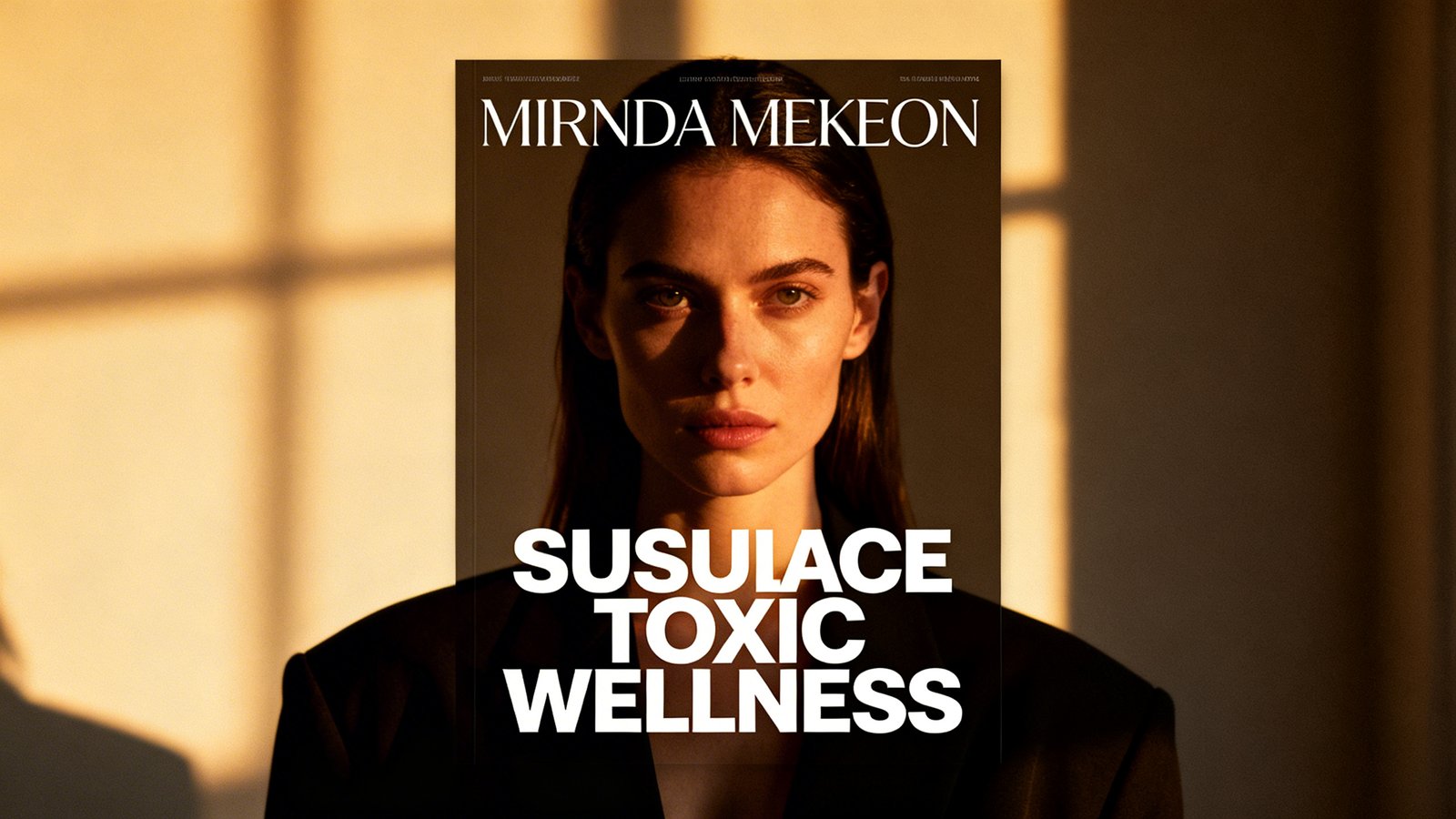
Nineteen. Seriously, nineteen. You’re barely out of high school, probably freaking out about college applications or maybe your first real crush, and then BAM – breast cancer. Like, what even? That’s exactly what happened to Miranda McKeon, and if I’m being honest, just hearing that makes my stomach clench. Because it’s not just a statistic, is it? It’s a whole life, abruptly slammed into a wall.
The Age Gap and the Awful Advice
McKeon, who you might know from “Anne with an E” (yeah, that show, pretty popular), was just 19 when she got that diagnosis. And let me tell you, that’s just fundamentally unfair. Breast cancer usually hits later, right? So when it strikes someone so young, it’s not just a physical battle; it’s a whole identity crisis on top of everything else. You’re supposed to be finding yourself, not fighting for your life. You’re supposed to be invincible, not undergoing chemo.
And that’s where the “wellness industry” – and I’m using air quotes here, you can’t see them but trust me, they’re there – swoops in. Because when people are vulnerable, when they’re scared and desperate, that’s when the snake oil salesmen (and women, let’s be fair) crawl out of the woodwork. They promise miracles, they peddle expensive powders, they whisper about “natural cures” and “positive vibes” that will fix everything if you just believe hard enough. It’s infuriating, isn’t it?
McKeon, now 24, has been super vocal about this, and thank God for it. She’s out there creating content, using her platform to talk about women’s health and breast cancer awareness, but more importantly, she’s taking aim at this toxic side of wellness. The side that basically implies if you just ate organic kale, meditated enough, and had the right “mindset,” you wouldn’t have gotten sick in the first place. Or, worse, that you could cure yourself without actual medical intervention. It’s such a load of garbage, and it’s dangerous garbage too.
The “Good Vibes Only” Cult
Here’s the thing, and I’ve seen this pattern before with all kinds of illnesses: when someone is dealing with something really awful, like cancer, people often struggle with what to say. So instead of just saying “that sucks, I’m here for you,” they sometimes pivot to these pseudo-scientific, feel-good platitudes. “Oh, just visualize yourself well!” or “Have you tried this special detox tea?” It’s like they can’t handle the sheer brutal reality of it, so they try to sprinkle some magic dust on it.
But that’s not helping. It’s actually making things worse. It puts the onus on the patient, doesn’t it? Like if they don’t get better, it’s their fault for not being positive enough, or not trying the right blend of essential oils. And when you’re 19, trying to figure out if you’re going to live, that kind of pressure is just… it’s cruel.
Why Does This Stuff Even Work on People?
You’d think, logically, that when faced with a serious illness, people would flock to science, to doctors, to proven treatments. And most do, thankfully. But there’s a really insidious appeal to the “wellness” industry, especially for young people. It promises control in a situation where you have none. It offers a narrative where you are powerful enough to heal yourself, even when your body is failing you.
And let’s be real, traditional medicine, while life-saving, isn’t always warm and fuzzy. It’s clinical. It’s scary. It involves needles and machines and harsh chemicals. So the idea of a gentler, “natural” path, one where you just drink green juice and think happy thoughts, sounds a lot more appealing. Especially when you’re young and probably a little bit naive about how the world (and illness) works.
“It’s not about blaming the patient for their illness, or selling them false hope. It’s about real support, real science, and real compassion.”
It’s Not Just Annoying, It’s Dangerous
This isn’t just some minor annoyance, folks. This “toxic wellness” movement actively harms people. It diverts them from treatments that actually work. It makes them feel guilty when they inevitably don’t get better from some ridiculous smoothie cleanse. It drains their bank accounts with overpriced, unproven “remedies.” And for someone like McKeon, who was facing a very aggressive disease at a very young age, delaying proper medical care could have been catastrophic. Seriously, life or death.
McKeon’s message, from what I can tell, is all about empowerment through information, not through magical thinking. It’s about knowing your body, advocating for yourself in medical settings, and understanding that real health isn’t about chasing some impossible ideal of purity or perfection. It’s about facing reality, getting the right help, and sometimes, just plain surviving. And that’s a message we desperately need to hear, especially in a world flooded with Instagram gurus telling us we can manifest our way out of cancer.
And it also speaks to a broader issue in women’s health – the constant pressure to be perfect, to look perfect, to eat perfect. When you’re dealing with a cancer diagnosis, that pressure just amplifies tenfold. So to have someone like McKeon say, “Hey, stop with the BS, let’s talk about what actually matters,” is incredibly refreshing. And brave, honestly. It takes guts to push back against an industry that’s so well-funded and so pervasive.
What This Actually Means
What Miranda McKeon is doing is important. Really important. She’s basically saying, “Hey, I went through hell, and while I was there, a bunch of people tried to sell me snake oil. Don’t fall for it.” She’s using her lived experience, her platform, to cut through the noise and tell it like it is. And we need more of that. We need more real talk, more honest stories, and a lot less of the fluffy, feel-good nonsense that actually undermines genuine health and healing.
So, next time you see some influencer peddling a “cancer-fighting superfood” or a “mindset shift for total healing,” maybe take a pause. Maybe remember Miranda McKeon, barely out of her teens, fighting for her life and then fighting against the garbage advice. And maybe, just maybe, listen to the actual doctors. Or, you know, just eat your vegetables because they’re good for you, not because they’re going to magically cure a disease that requires rigorous medical treatment. It’s not a pretty message, but it’s the real one. And sometimes, that’s exactly what we need.