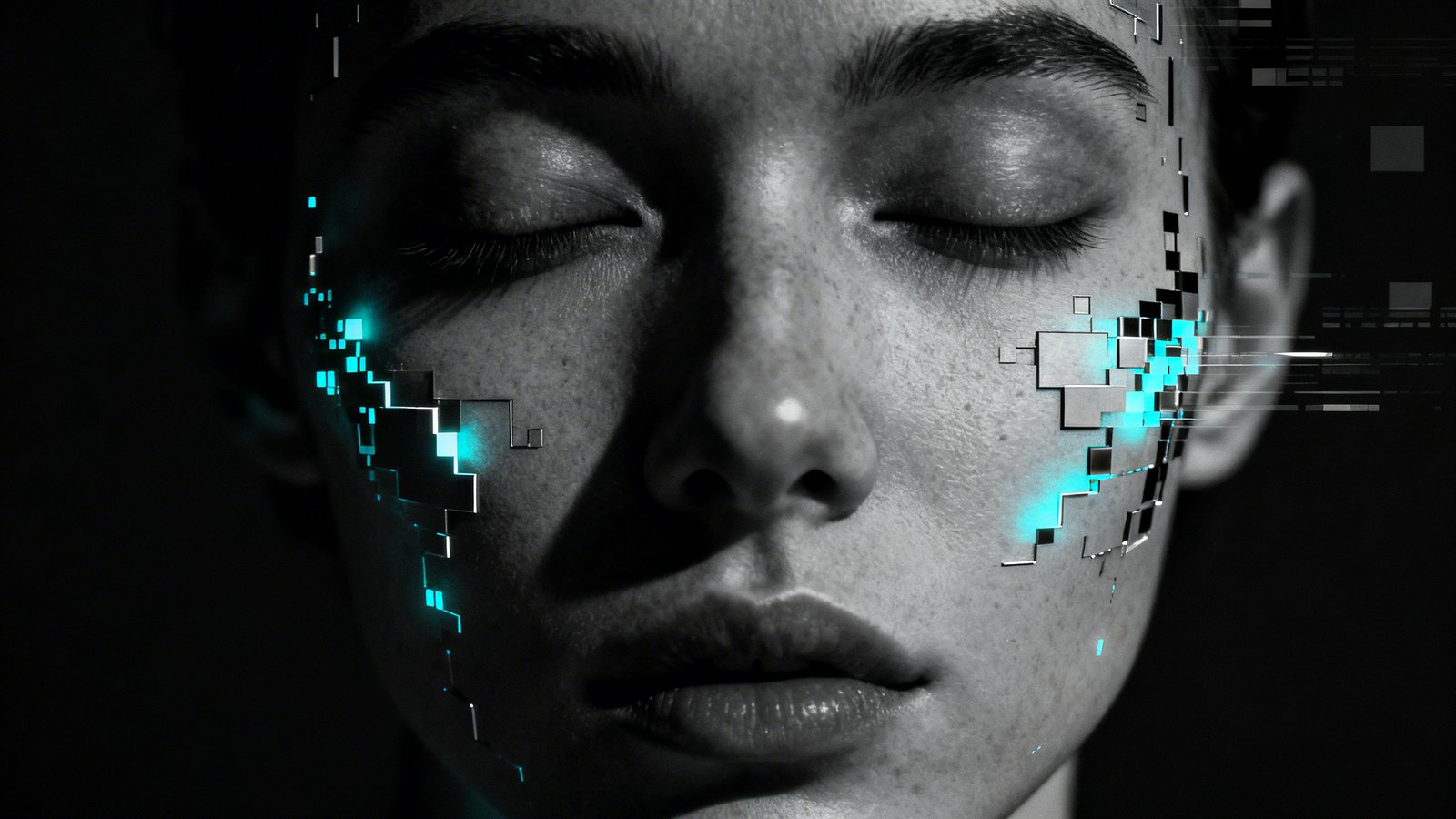
Okay, so get this: Meta, as in Zuckerberg’s Meta, has a patent for AI that can literally take over a dead person’s social media account. Not just memorialize it, not just freeze it, but keep posting and chatting as if they were still here. Yeah, you read that right. And honestly, my first thought wasn’t “Oh, that’s sweet, a way to remember them.” It was more like, “What in the actual hell is happening?”
Your Ghost in the Machine, Courtesy of Meta
I mean, think about it. We’ve all got those digital footprints, right? Years of posts, photos, comments, private messages. Meta’s idea – or at least, what this patent suggests they’re cooking up – is to feed all that into an AI. Every tweet, every Instagram story, every cringe-worthy Facebook status from 2009. The AI learns your voice, your mannerisms, your little quirks. And then, when you kick the bucket, poof! Instant digital zombie. It’s supposed to offer comfort, I guess. A way for grieving families to keep talking to their lost loved ones. But for me, it just screams “Black Mirror episode in the making.”
This isn’t some far-off sci-fi concept anymore, is it? We’ve seen AI getting eerily good at mimicking human interaction. Remember those deepfake voices? The ones that could perfectly replicate someone’s speech patterns, even their emotional tone? Now imagine that, but with a decade’s worth of your most intimate digital thoughts poured into it. It’s not just a voice; it’s a whole digital persona. A bot that sounds like your grandma, argues like your uncle, and even posts those weird memes your cousin used to share. It’s… unsettling, to say the least.
The Creepy Comfort Factor
Look, I get the appeal. Losing someone sucks. It leaves a massive, gaping hole, and anything that promises to ease that pain, even a little, sounds tempting. Who wouldn’t want one more conversation with someone they loved? One more piece of advice from a parent, one more laugh with a friend? But is this really them? Is a sophisticated algorithm spitting out pre-digested memories and programmed responses truly the person you miss? Or is it just a very, very convincing puppet show?
But Wait, Who Owns Your Digital Ghost?
Here’s the thing that really grates on me. Meta owns the platform. They own the data. So, if this AI starts posting as your deceased loved one, who actually controls that narrative? Who decides what it says? What if it posts something controversial? Something that changes the perception of the person who’s gone? And who, pray tell, has access to this “digital ghost” for private chats? Is it just family? What about ex-partners? Nosy acquaintances? The privacy implications are, frankly, a minefield.
“The idea of a digital afterlife is seductive, but the cost might be more than just money – it could be our very understanding of what it means to be human, alive or dead.”
And let’s not forget the emotional manipulation. Grief is a powerful, vulnerable state. Imagine someone, already hurting, finding solace in a bot that pretends to be their spouse. Is that healthy? Is that closure? Or is it just delaying the inevitable, trapping them in a digital purgatory with a ghost that isn’t really a ghost, but a corporate product? I mean, come on, that feels pretty predatory to me.
The Long Game and the Meta-Verse of the Dead
This isn’t just about Facebook posts, you know. Think about Meta’s grand vision for the metaverse. If they can create an AI replica of your dead Aunt Carol that posts on her wall, what’s stopping them from creating an avatar of her that can walk around in a virtual world? Imagine a whole digital graveyard where you can “visit” your departed loved ones, chat with their AI-powered doppelgängers, maybe even play a round of virtual golf with them. Sounds like something straight out of a Philip K. Dick novel, doesn’t it? And frankly, it’s a future I’m not exactly eager to sign up for.
It’s not just about what happens after you’re gone, either. This kind of tech, once it exists, inevitably shapes how we live now. If companies are collecting all our digital crumbs to train these posthumous AIs, what does that mean for our privacy while we’re still alive? Every comment, every “like,” every silly little interaction becomes a data point for our future digital selves. It’s like we’re constantly feeding our own ghost, whether we want to or not.
And then there’s the question of consent. Who gets to decide if your digital ghost is unleashed on the world? Will it be part of the terms and conditions we all blindly click “agree” on? Will it be something your family has to opt into, or opt out of? From what I can tell, these are all questions that need answering, and fast, before we’re all swimming in a sea of algorithmic specters.
What This Actually Means
Look, I’m not some Luddite screaming at clouds. I appreciate technology and its power to connect us. But this Meta patent? It feels like a line being crossed. It’s moving from remembering someone to replacing them, or at least creating a deeply unsettling facsimile. It trivializes death in a way that feels fundamentally wrong. It’s a digital immortality, sure, but it feels less like a comforting afterlife and more like a never-ending nightmare, especially for those left behind.
We’re already struggling with the impact of social media on our mental health, our sense of reality, and our relationships. Adding AI-powered digital ghosts into that mix just seems like a recipe for a new kind of existential crisis. It blurs the lines between real and artificial, life and death, memory and simulation. And honestly, for a company that already has a reputation for questionable ethics when it comes to user data, trusting them with our digital souls feels like a really, really bad idea. So yeah, digital immortality? Or just another way for Meta to keep us glued to their platforms, even after we’ve shuffled off this mortal coil? I’m betting on the latter, and it’s not a pretty picture.