
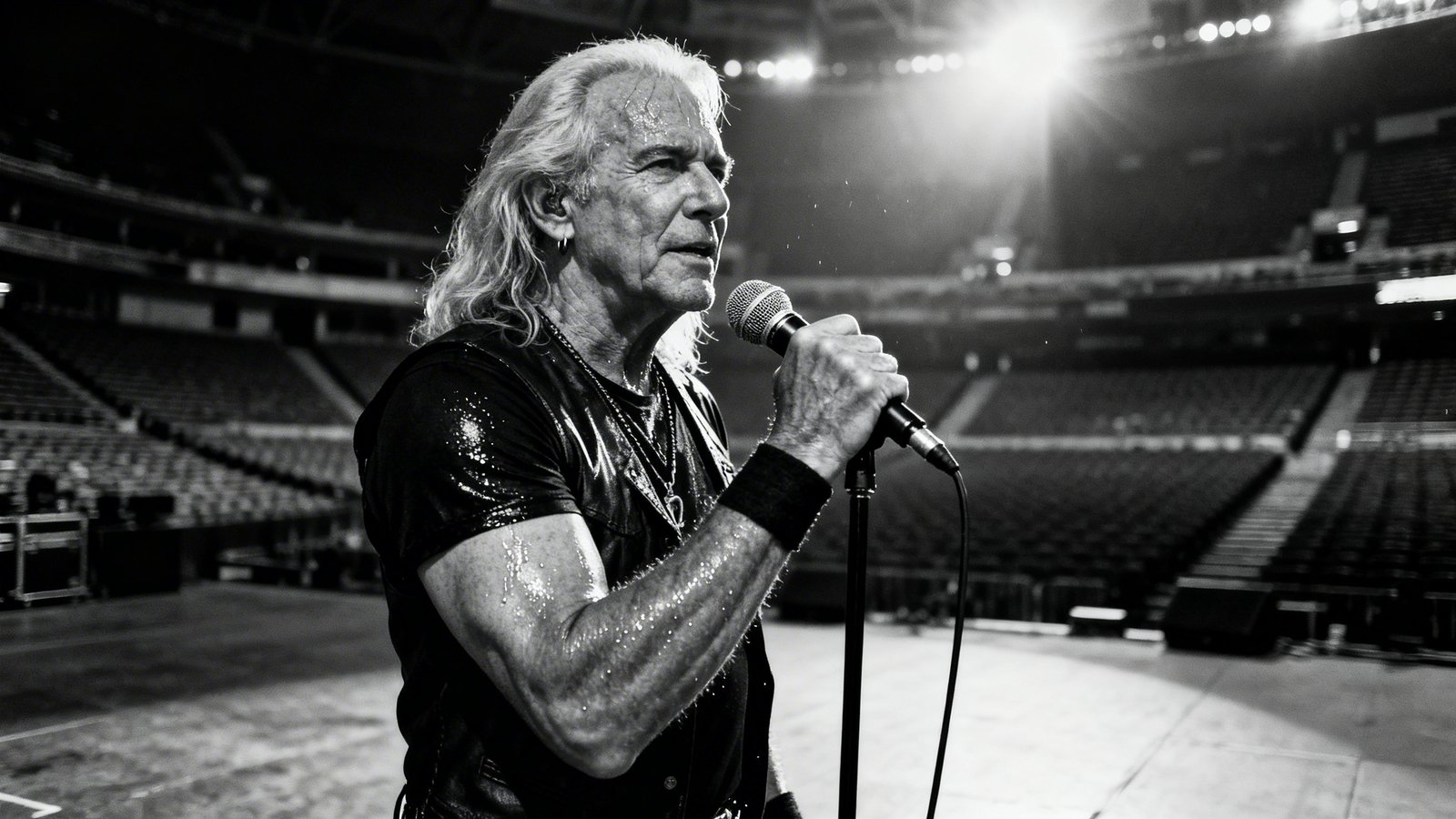
The Truth About Tearing Up the Stage at 70
Look, I’ve seen some bands in my time. I’ve seen ’em when they were young, full of piss and vinegar, throwing themselves around stages like their lives depended on it. And I’ve seen ’em, well, later. Much later. And let me tell you, there’s a difference. A big one. So when Dee Snider, the legendary frontman of Twisted Sister – a band that basically defined theatrical, high-energy, in-your-face rock and roll – comes out and says he’s hanging up his stage antics, I gotta say, my first reaction wasn’t shock. It was more like, “Damn, took him long enough to admit it.”
He spilled the beans on his ‘House of Hair’ radio show, which, let’s be real, is just a fantastic name for a show hosted by Dee Snider. He said, and I’m quoting here, “I just can’t do those things that I did in my 20s, 30s, 40s, 50s and even 60s.” And honestly? Good for him. The man has been a walking, screaming, hair-flailing hurricane for like, five decades. That takes a toll. A serious, bone-shaking, vocal-cord-shredding toll. You can’t just keep doing the splits in leather pants and belting out “We’re Not Gonna Take It” with the same intensity forever. It’s just not how physics works. Or biology. Or, you know, aging.
Youth Ain’t Forever, Even for Rock Gods
I mean, we all want our heroes to be immortal, right? We want to believe that Mick Jagger will be doing those weird little chicken dances at 100, or that Ozzy will still be biting heads off bats from a wheelchair. But that’s just not reality. It’s a fantasy. A fun one, sure, but a fantasy nonetheless. And what Dee is doing here, by being so upfront about it, is kind of pulling back the curtain on that whole myth. He’s saying, “Hey, I gave you everything I had. Every last ounce of energy. But there comes a point.” And you gotta respect that. It’s a hell of a lot more honest than some guys who just keep going, visibly struggling, because they’re afraid to stop. Or because their managers won’t let them stop. That’s sad, really.
So, What’s Really Behind the Mic Drop?
It’s not about being “too old” in a derogatory sense. It’s about being real. Dee Snider’s performances weren’t just about standing there and singing. They were a full-body experience. He was a showman, a performer, a whirlwind of energy. And to maintain that level of physical output for that long? That’s superhuman. But even superheroes have their kryptonite, and for most of us, that kryptonite is Father Time.
“I just can’t do those things that I did in my 20s, 30s, 40s, 50s and even 60s.”
This isn’t some quiet retirement. He’s still got his radio show, he’s still doing voice acting, he’s still Dee Snider. He’s just not going to be doing the full-throttle, sweat-soaked, wild-eyed stadium rock anymore. And you know what? That’s fine. More than fine, actually. It’s smart. It’s prioritizing health and well-being over a nostalgic ideal. He wants to live. He wants to keep making noise, just maybe not the kind that involves throwing his back out every night. And who could blame him? I can barely get out of bed some mornings without a groan, and I’m not doing power slides on stage.
Beyond the Bangs and the Backflips
The thing is, we as fans often put this immense pressure on artists to stay frozen in time. We want them to sound the same, look the same, perform the same as they did when we were 16 and seeing them for the first time. But that’s just not how life works. People change. Bodies change. Voices change. And sometimes, that change means acknowledging limits.
What Dee Snider is doing isn’t just a personal announcement; it’s a statement about the industry, about the relentless pursuit of youth, and about the sheer physical demands of being a certain kind of rock star. It’s a reminder that these larger-than-life figures are still, at their core, just people. People who get tired, people who ache, people who have to make smart decisions about their future. And I have to admit, it’s a refreshing dose of honesty in a world that often tries to pretend that everyone can be perpetually young and invincible.
What This Actually Means
This isn’t a tragedy, folks. This is a triumph of self-awareness. Dee Snider isn’t dying; he’s living by making a choice that preserves his quality of life. He’s not trying to fool anyone, not trying to hobble through shows where he can’t deliver the goods. He’s saying, “I’ve done it. I’ve done it harder and louder than most. And now, I’m going to do something else.”
And that’s okay. More than okay, it’s a damn good example. It means we get to appreciate the legacy of what he did do, without having to watch him struggle to do it now. It’s a reminder that sometimes, the bravest thing you can do is know when to step back, to adjust, to evolve. Dee Snider isn’t “not gonna take it” anymore… he’s simply not taking on the impossible. And frankly, that’s pretty rock and roll in its own way. It’s a real human moment, from a real human rock star. And that, to me, is more powerful than any stage dive.