So, What’s the Dealio with These ‘Hoka Dupes’ Anyway?
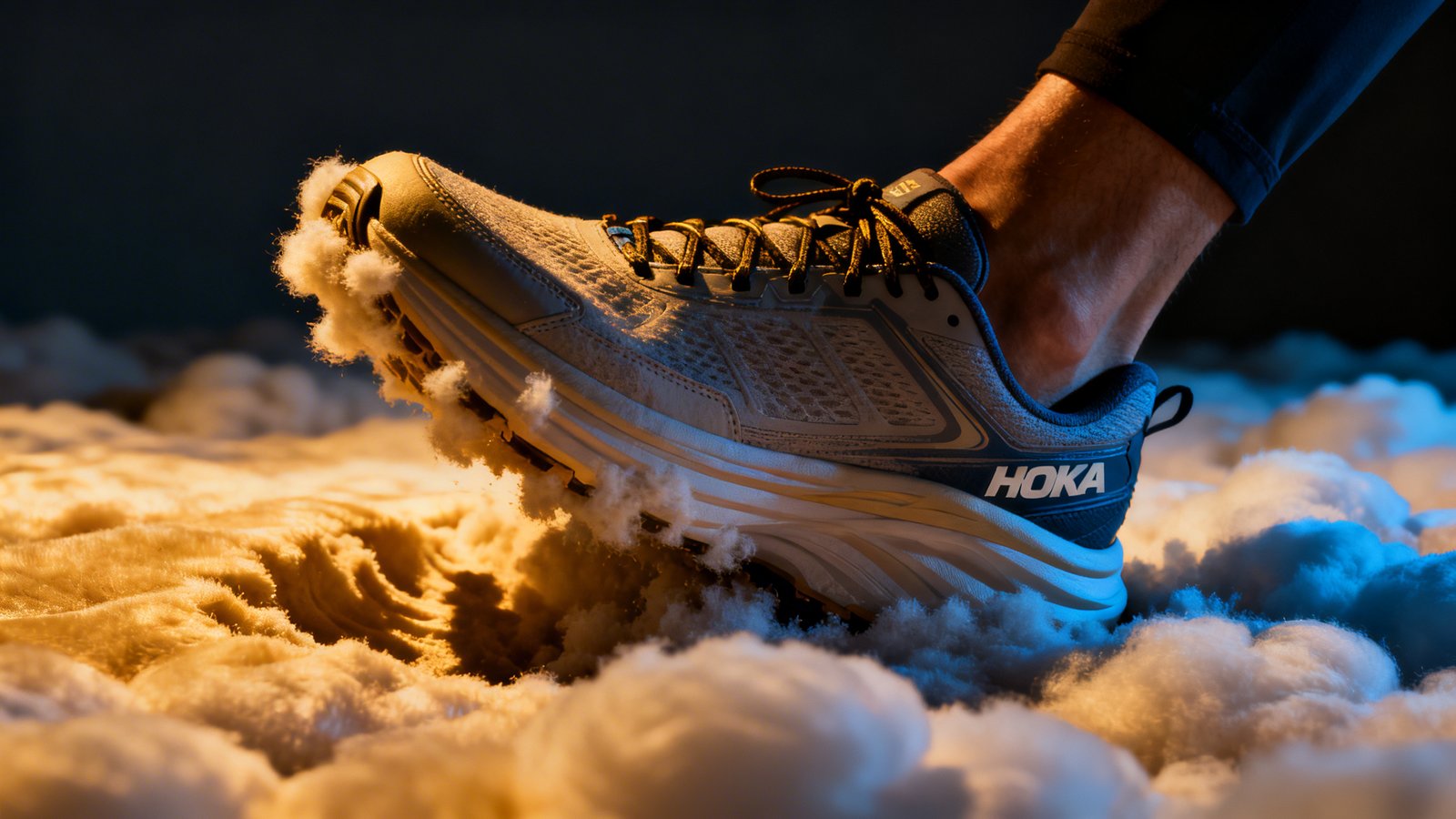
Turns out, the internet is all abuzz about these things called Allswifit ActiveBreeze sneakers. Yeah, I know. A mouthful. But the claim? The big, bold, in-your-face claim, as reported by People.com, is that some folks are calling them “the most comfortable shoes I have ever worn.” And guess what? People are saying they’re a dead ringer for Hokas. Which, if you know Hokas, means they’re probably chunky, maybe a little loud, and definitely built for maximum cushion.
Now, let’s unpack that for a second. Hokas – the real deal – they’re like, what, $150, maybe $170 for a good pair? You’re paying for a specific kind of engineering, a lot of foam, and a brand that’s basically cornered the market on “walking on clouds” vibes. And now, some Amazon-special, fifty-four-dollar shoe is stepping into the ring, swinging punches, and apparently knocking out the competition on comfort? I mean, I love a good underdog story as much as the next guy, but this feels… ambitious.
The Comfort Conundrum
Here’s the thing about comfort, especially in shoes: it’s subjective, sure, but there’s also a baseline. You can’t just whip up a shoe with some foam and call it “Hoka-level.” Hokas, particularly their Clifton and Bondi lines, have specific geometries, meta-rockers, and proprietary foams designed to absorb impact and propel you forward. They’re built for people who are on their feet for hours, runners, folks with joint issues. It’s a whole science project in shoe form.
And then you’ve got these Allswifit ActiveBreeze sneakers. From what I can tell (and, frankly, from the suspiciously generic product photos), they look the part. Chunky sole? Check. Breathable upper? Appears so. But the guts? The actual support structure? The foam density that doesn’t just feel soft for five minutes but holds up for five miles? That’s where I get really skeptical.
Is it Really Comfort, or Just a Good Price Tag?
I’ve seen this pattern before, haven’t we? Some high-end product becomes ridiculously popular, and suddenly, every fast-fashion brand, every Amazon seller, is churning out a “dupe.” It happened with those pricey Stanley cups, with designer bags, with those fancy leggings. And you know what? Sometimes, those dupes are fine. They get the job done. They look similar enough.
But comfort, especially for your feet, isn’t just “fine.” It’s critical. If you’re comparing a $54 shoe to a $150 shoe and saying the cheap one is more comfortable, I gotta ask: what are you actually comparing? Are you comparing it to a broken-in Hoka? Or are you comparing it to the idea of a Hoka, combined with the giddy feeling of saving a hundred bucks?
“These are the most comfortable shoes I have ever worn”
That quote. “Most comfortable shoes I have ever worn.” It’s powerful, right? It’s exactly the kind of thing that makes people click “Add to Cart” faster than you can say “plantar fasciitis.” But is it the objective truth? Or is it the joy of discovering something cheap that feels good enough, especially when you weren’t expecting it to? I mean, a warm cookie tastes amazing when you’re starving, but it might not win a Michelin star.
The ‘Dupe’ Culture: Blessing or Blight?
This whole “dupe” phenomenon is fascinating, if I’m being honest. On one hand, I get it. Not everyone can drop nearly two hundred dollars on a pair of sneakers, no matter how good they are for their knees. Accessibility is a real thing. It allows more people to participate in trends, to feel good about their footwear, without breaking the bank. And that’s… well, that’s pretty cool, actually.
But on the other hand, it also kind of devalues the innovation, doesn’t it? The years of R&D, the specific materials, the patented designs that go into making a Hoka a Hoka. When a brand can just slap together something that looks similar and market it as just as good for a fraction of the price, it makes you wonder about the long-term implications. For the original brands, sure, but also for consumers. Are we being trained to expect champagne on a beer budget, always? And what happens when those cheap shoes fall apart in three months, or worse, cause actual foot pain? Then it wasn’t so cheap after all, was it?
And let’s be real, a lot of these “dupes” are just… inspired. Heavily inspired. Without, you know, the actual inspiration part.
What This Actually Means
Here’s my take on this whole “Hoka secret” thing. The “secret” isn’t necessarily that these Allswifit shoes are magically better than Hokas. The secret is that people want them to be. They want that Hoka comfort without the Hoka price tag. And if a $54 shoe can deliver enough comfort, enough of the look, and make people feel good about their purchase, then yeah, it’s gonna get rave reviews. Especially on Amazon, where a good price often outweighs perfect performance.
Will these ActiveBreeze sneakers replace your meticulously chosen, podiatrist-approved Hokas? Probably not if you’re a serious runner or walker who needs that specific support. But for someone who wants a chunky, comfy-looking sneaker for errands or light walks, and doesn’t want to spend a fortune? Yeah, I can totally see why these would hit the spot. They probably are comfortable for that purpose. And the fact that they evoke a Hoka? That’s just icing on the budget cake.
So, the $54 comfort secret isn’t some groundbreaking shoe technology. It’s the magic of good marketing, the power of a “dupe,” and the universal human desire for a damn good deal that feels luxurious. Just don’t expect them to last through a marathon. Or even, like, a really long Tuesday. But hey, for $54, maybe that’s okay for some folks. Just maybe.