
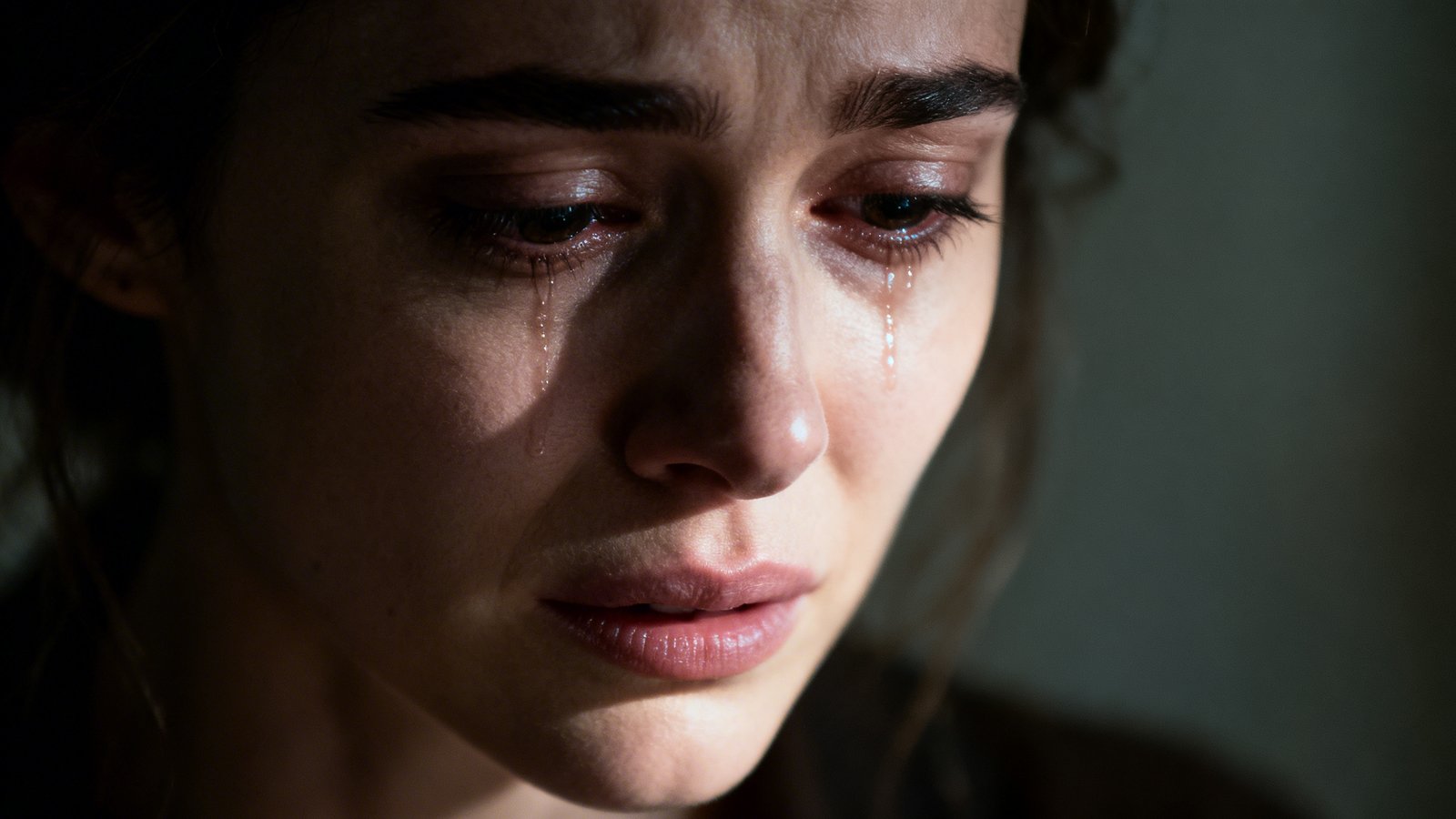
You know that moment when everything just… stops? When the air leaves the room, and your stomach drops right down to your toes because you just know? Ashleigh Rousseaux lived that moment. She was there, in what was supposed to be her final ultrasound, the last peek at her baby before birth, and then it happened. The room went silent. And she, well, she knew immediately what had happened.
The Echo of Silence
I mean, think about it. You’re lying there, probably a little uncomfortable, but mostly just buzzing with anticipation. This is the home stretch. You’re counting kicks, maybe you’ve got the nursery all set up, you’re arguing with your partner about names for the tenth time. You’re just a few weeks- or days- away from meeting this tiny human you’ve been carrying around, dreaming about. And then, the silence. Not just the quiet hum of the machine, but a heavy silence. The kind that screams something is horribly, irrevocably wrong.
Ashleigh recalled it perfectly, that chilling moment. The technician, who had been chatting, maybe pointing out a tiny foot or a hand, just… stopped talking. Her face, the casual demeanor, it all just froze. And Ashleigh knew. She didn’t need a doctor to tell her. She didn’t need some gentle, practiced words. Her body, her heart, her gut-level intuition, it all screamed: my baby is gone.
When Intuition Becomes Fact
And that’s the thing, isn’t it? That terrifying, primal instinct. We talk about a mother’s intuition like it’s some sweet, fuzzy feeling about when her kid is gonna get sick or what they need for dinner. But it’s also this incredibly sharp, brutal edge. It’s knowing, deep down, before anyone says a word, that the worst has happened. It’s a connection so profound that it bypasses logic, bypasses medical degrees, and just delivers the crushing truth directly to your soul. Ashleigh wasn’t guessing. She knew.
What Happens After “You Knew”?
So, what then? The silence breaks, eventually. The technician probably leaves the room, comes back with a doctor, and then the words come. The clinical, sterile words that confirm your worst nightmare. “There’s no heartbeat.” “I’m so sorry.” Words that, honestly, feel like static when your whole world just imploded. And you’re just left there, lying on that cold table, trying to make sense of a future that evaporated in an instant. A future that was so real just minutes ago. You know, it’s just so unfair. So, so unfair.
“I knew immediately what had happened,” Ashleigh Rousseaux recalled, and man, that hits hard. It’s the kind of knowing that no one ever wants. The kind that changes everything, instantly.
The Unseen Grief, The Unspoken Burden
This isn’t a story we hear enough, is it? We celebrate births, we share baby pictures, we talk about the joys of pregnancy. And all of that is wonderful, truly. But what about the other side? The silence that follows a missed heartbeat? The empty crib? The clothes bought but never worn? This isn’t some rare, isolated incident. Fetal demise, stillbirth- these are realities for far too many families. But it’s often a quiet grief, a private agony. People don’t know what to say, so they say nothing. And that silence, while maybe well-intentioned, can be just as isolating as the one Ashleigh experienced in that ultrasound room.
I’ve seen this pattern before, and honestly, it drives me nuts. We live in a world that’s so uncomfortable with sadness, with loss, especially when it comes to something as sacred as a child. So, we sweep it under the rug. We pretend it doesn’t happen. But it does. And the people who go through it? They’re left to pick up the pieces, often alone, often feeling like their profound loss isn’t “allowed” to be grieved publicly. But it’s a baby, right? A child. A life that was loved, dreamed of, anticipated. The grief is real. The pain is real. And the courage to keep going, well, that’s real too.
What This Actually Means
Ashleigh’s story isn’t just about a tragic ultrasound. It’s about that gut-wrenching human experience of knowing, of that split second when your world shatters before anyone even says a word. It’s about the silent strength of parents who face the unimaginable. And it’s a huge, flashing neon sign reminding us that we need to get better at talking about this stuff. We need to acknowledge the silent grief, the unseen losses. Because when we don’t, we leave people like Ashleigh to carry that burden all by themselves. And no one should have to do that. No one. So, next time you hear a story like this, or you know someone going through it, remember the silence. And then, maybe, break it. Speak up. Listen. Just be there. It’s probably the most human thing you can do.