
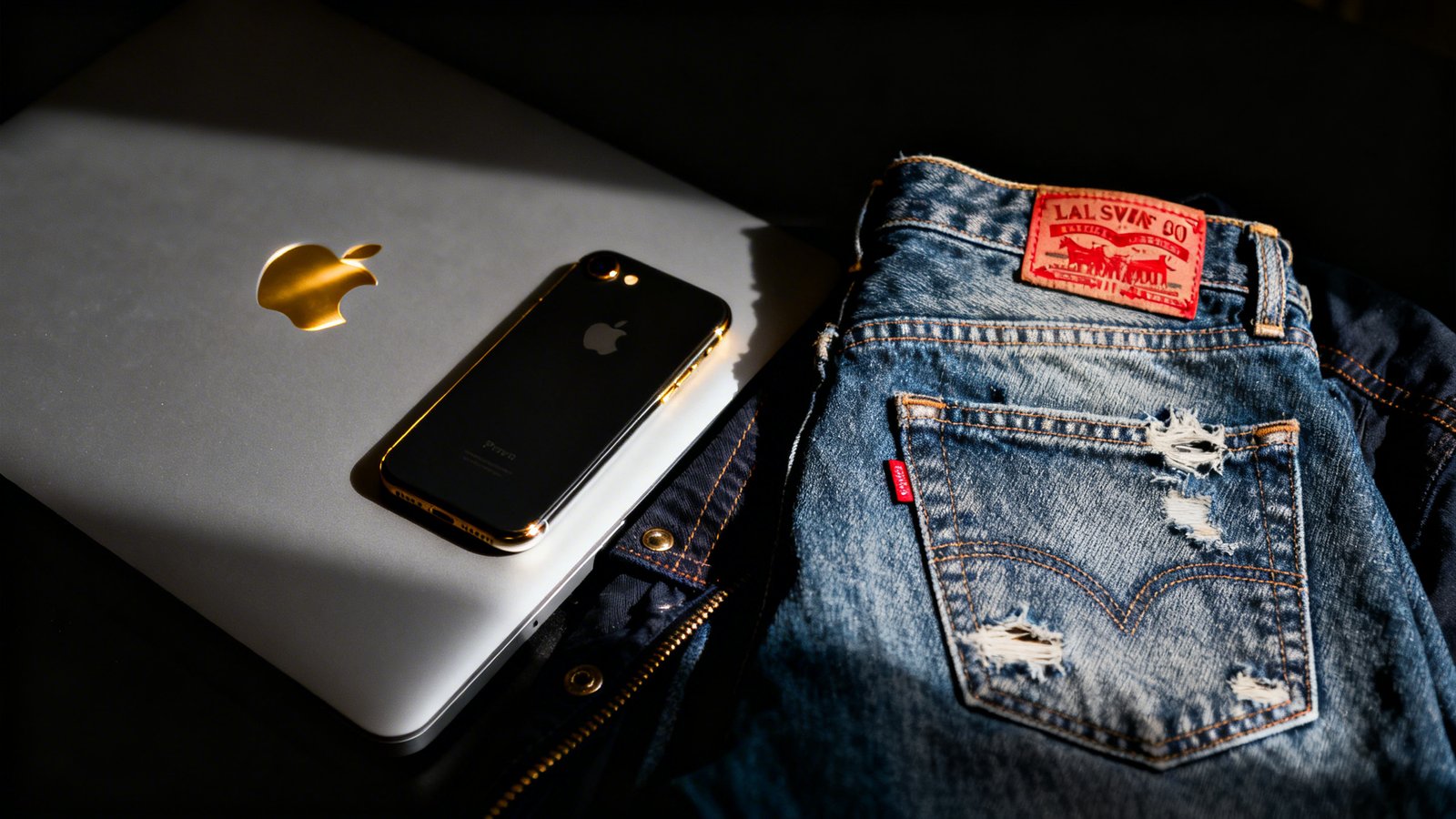
Okay, so I’m sitting here, sipping my lukewarm coffee (because who actually finishes it hot, right?) and I see this headline: “SHOCKER: 72% Off Apple, Levi’s! Amazon Sale!” And my first thought, honestly? “Here we go again. Another ‘sale’ that’s just last year’s junk repackaged.” But then I looked closer. And holy moly, the date on this thing from People.com – it’s 2-11-2026. Yeah, you read that right. Twenty-twenty-six. As in, almost two years from now.
Are We Seriously Talking About Deals for 2026 Already?
I mean, what even is that? My brain is still trying to process last week’s grocery bill, and Amazon (or People, bless their hearts) is out here telling us to “shop early deals on spring fashion, cleaning gadgets, and other essentials from $8” for a sale happening in February 2026. Are they trying to break my already fragile sense of time? It’s like they’re saying, “Hey, remember that thing you wanted to buy? Yeah, don’t worry about it now, just mentally bookmark it for a future so far off it feels like science fiction.”
Look, I get the whole “early bird gets the worm” thing. I really do. But this feels less like early bird and more like… prehistoric bird, waiting for a worm that hasn’t even evolved yet. Seventy-two percent off Apple products? That’s huge. Like, “I might actually upgrade my phone without taking out a second mortgage” huge. And Levi’s? Always a classic. But for a sale that’s not even on the horizon? It’s kind of messing with my head, not gonna lie.
The Art of the Pre-Pre-Sale Hype
The thing is, this isn’t just a quirky typo, I don’t think. This is probably a deliberate, long-game marketing play. Amazon is a master at this stuff. They’re basically planting a seed in your brain right now – “Future Deals! Really Good Ones!” – so that when 2026 rolls around, you’re already conditioned. You’re already thinking, “Oh yeah, that amazing Apple deal I heard about forever ago.” It’s a psychological trick, pure and simple. And frankly, it’s pretty clever. Annoying, but clever.
Who Even Thinks This Far Ahead for a T-Shirt?
Honestly, who are these people who are going to be planning their “spring fashion” purchases two years in advance? Are we supposed to anticipate what styles will be in for Spring 2026? Will skinny jeans be back by then? (Please, for the love of all that is holy, no.) And cleaning gadgets? Is my robot vacuum from 2024 going to suddenly be obsolete by 2026, necessitating an “early deal” purchase? It just feels a little… much.
“It’s like they’re selling you the dream of a future purchase, not the actual item. You’re buying into the anticipation, the idea of a deal.”
And think about it: 72% off Apple. That’s probably like, last-gen AirPods or an older Apple Watch, right? Because Apple just doesn’t do 72% off current models. They just don’t. So are we supposed to speculate on what Apple products will be considered “old stock” in February 2026? This whole thing is less about saving money now and more about training your brain to perpetually hunt for deals. It’s a never-ending cycle, my friends.
The Long Game of Consumerism
This kind of “pre-pre-sale” announcement, if that’s even what we’re calling it, really highlights how intense the retail game has become. It’s not enough to just have a Black Friday sale or a Prime Day anymore. You’ve got to announce the idea of a sale years in advance. It’s like they’re creating a permanent state of readiness in consumers – always on the lookout, always feeling like they’re about to miss out if they don’t keep checking. And who benefits from that? Not your wallet, probably. Maybe your dopamine receptors, for a fleeting moment.
The reference mentions “essentials from $8.” And yeah, that sounds about right for a filler item to make you feel like you’re getting a steal. Like, “Oh, I saved 50 cents on this pack of sponges, so I should totally buy that $500 thing I don’t need.” It’s classic upselling, just on a ridiculously extended timeline. And I’ve seen this pattern before, just usually on a smaller scale. This reminds me of when stores start putting out Christmas decorations in September. It just keeps pushing the envelope, pushing the timeline, until there’s no “normal” anymore, just one continuous, low-level hum of consumer urgency.
What This Actually Means
So, what’s the takeaway here? If you’re like me, a little cynical but always open to a real deal, this probably means… nothing for now. It’s a headline designed to grab attention, to make you pause and wonder. And it worked, clearly, because I’m writing about it. But I’m not gonna mark my calendar for February 11, 2026, just yet. I’ve got enough trouble remembering what I had for breakfast yesterday, let alone what Apple product I might want to buy two years from now.
The truth is, these mega-sales, whether they’re next week or next decade, are designed to make you feel like you’re getting a steal, even when you’re just buying stuff you don’t necessarily need. My advice? Don’t fall for the hype, not two years out, anyway. If you need something, buy it when you need it. If a genuinely good deal pops up, great. But don’t let Amazon’s crystal ball marketing make you anxious about future savings. Go live your life. And maybe, just maybe, check back in early 2026. Who knows, maybe by then, Apple will have invented something truly mind-blowing that’s worth waiting for… or maybe it’ll just be more of the same, only 72% off.