
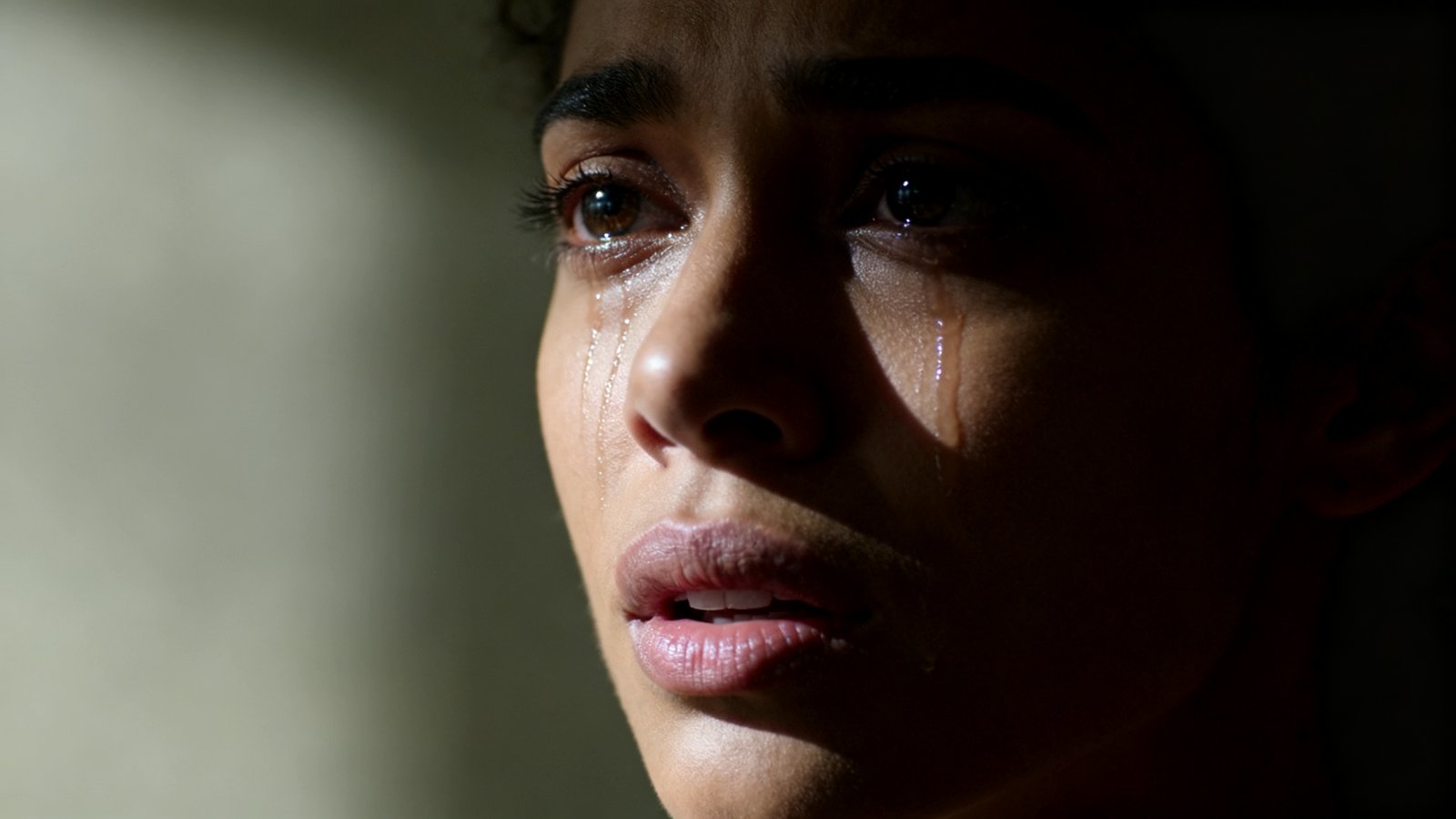
Okay, so Layla Taylor, from “The Secret Lives of Mormon Wives” – and yeah, I know, another reality show, because we just don’t have enough of those, right? – she dropped a tearful TikTok video the other day. And, honestly, my first thought was, “Here we go again.” Not because I’m heartless, but because this playbook, this whole ‘tearful social media breakup announcement,’ it’s become as standard as a bad jump scare in a horror movie. You just kinda see it coming.
“I Don’t Ever Really Come On My Page And Cry” – Said Every Influencer Ever, Probably
So, Layla, who’s apparently 24, pops up on Saturday, February 7, looking all kinds of distraught. She’s confirming the split from her boyfriend, Mason McWhorter. And the first thing out of her mouth, or pretty close to it, is this gem: “I don’t ever really come on my page and cry so this is already really hard for me to do.”
Look, I get it. Breakups suck. They really do. Nobody likes going through them, and especially not when you’re in the public eye. But, and this is where my journalist-brain starts itching, how many times have we heard that exact line? It’s like the preamble to every public emotional disclosure these days. “This is hard for me.” “I don’t usually do this.” It’s almost… too perfect, you know? Like it’s been workshopped. And I’m not saying Layla isn’t genuinely upset, because she probably is. But the script, man, the script is just so familiar.
Then she goes on to say, “I’m on reality TV … and that feels safe for me to be open on, but for some reason, my page has always been really hard for me to be vulnerable on.” Now, this actually kinda threw me for a loop, and not in a good way. Because if you’re on a reality show, literally exposing your life, your relationships, your arguments, your hopes, your dreams, your entire existence, for public consumption and editing… how is that safer than your own TikTok page? Your own page, where you control the narrative, where you hit record and stop, where you can delete it if you don’t like it. Reality TV is literally designed to manipulate your story for maximum drama. It’s not safe. It’s a stage. And that’s the whole point, right? To perform.
The Curious Case of Controlled Vulnerability
Here’s the thing about this kind of “vulnerability” – it’s always, always calculated. Even when it feels raw. Especially when it’s followed up with, “I felt it was important to ‘set the record straight’ because I was ‘already seeing some comments that are not true’ about the breakup.” See? There it is. The real reason. It’s not just about sharing her pain; it’s about managing the narrative. It’s about getting ahead of the gossip. And who can blame her, really? The internet is a brutal place. People jump to conclusions faster than I jump to the last slice of pizza.
But Wait, What Does “No Bad Blood” Actually Mean Anymore?
After confirming the split was “still super fresh,” which, again, makes you wonder about the urgency of this public announcement, Layla insisted there was “no bad blood” between her and Mason. “I genuinely wish and want the best for Mason. Things just weren’t…” And then the quote cuts off, which, oh man, that’s a classic. Always leave ’em wanting more, right?
But “no bad blood”? In a breakup? Especially one that’s “super fresh”? I mean, come on. Is there ever really no bad blood? Maybe not boiling, searing hatred. But some kind of lingering resentment? Some hurt? Some ‘I wish things had gone differently’ that borders on ‘I’m kinda pissed’? To say “no bad blood” immediately after a fresh split, especially a public one, feels less like genuine emotional maturity and more like brand protection. It’s the celebrity equivalent of saying, “It’s not you, it’s me.” We all know what that means. It means, “It’s you.”
“I don’t ever really come on my page and cry so this is already really hard for me to do,” Layla, 24, admitted to her TikTok followers on Saturday, February 7. “I’m on reality TV … and that feels safe for me to be open on, but for some reason, my page has always been really hard for me to be vulnerable on.”
I mean, if things just “weren’t,” what exactly “weren’t” they? Were they not working? Not compatible? Not leading to a spin-off show? The vagueness is maddening. It leaves so much room for speculation, which, you know, is probably the point. Keep people talking. Keep the engagement up. It’s the circle of life for reality stars.
The Social Media Breakup Industrial Complex
Here’s what this actually means, if you ask me. This whole public breakup ritual, it’s not just about being authentic. It’s a calculated move in the digital age. These stars live and die by their engagement metrics. A breakup, especially a tearful, vulnerable one, is content. It’s big. Really big. It gets views, it gets comments, it gets shares. It reminds people you exist. It keeps your name in the news cycle, even if it’s just a blip on Us Magazine’s radar.
And that’s the cynical truth behind Layla Taylor’s tears. I’m not saying she didn’t cry real tears. I’m not saying she’s not sad. I’m sure she is. But the decision to film those tears, to post them, to use that specific language about “setting the record straight” and “no bad blood”? That’s not just raw emotion spilling out. That’s a strategic choice. It’s an investment in her personal brand, even as she’s navigating a painful personal moment. It’s the messy, complicated, and frankly, kinda depressing reality of being a reality TV star in the year 2024.
What This Actually Means
So, when you see another tearful video from another reality star, just remember a few things. First, their definition of “vulnerable” might be a little different from yours. Second, “no bad blood” usually means “we’re trying to keep things civil for optics, or maybe there’s a contract involved, or we just don’t want to air our dirty laundry yet.” And third, every single one of these public disclosures, no matter how seemingly spontaneous, has an agenda. It’s not always malicious, but it’s rarely just about sharing feelings for feelings’ sake. It’s about controlling the narrative, staying relevant, and, let’s be honest, probably lining up the next gig. Because in the world of reality TV, a public breakup isn’t an ending; it’s just another cliffhanger. And honestly, it makes me want to log off sometimes and just go read a book. A physical one, no screens involved. Just a thought…