





Oh, So That’s What Happened
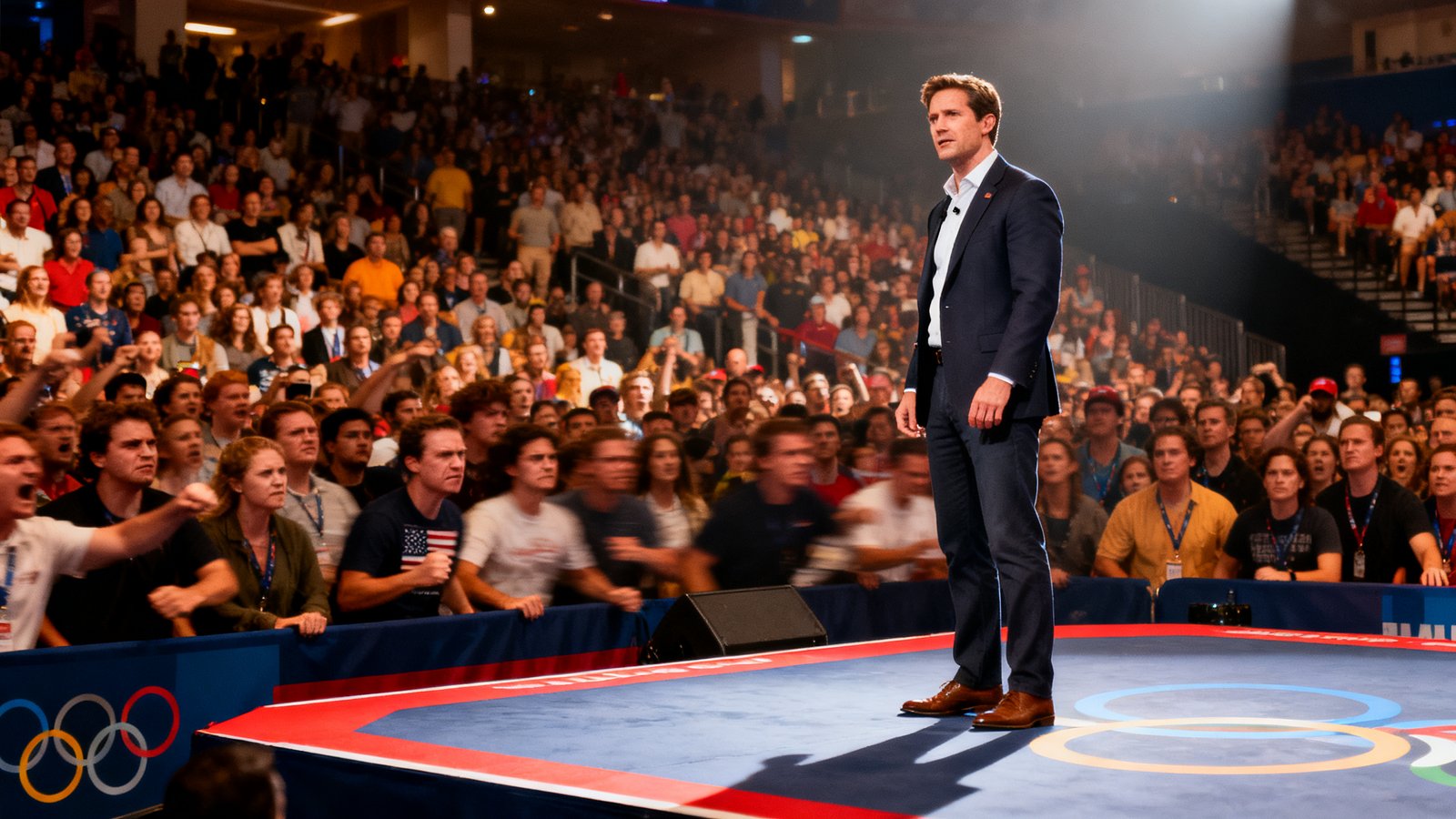
Here’s the thing, and this just drives me nuts every single time it comes up: J.D. Vance, the senator from Ohio, was there. And when he got introduced – or, you know, just generally showed up on screen – a lot of people in the crowd apparently weren’t too thrilled to see him. Like, really not thrilled. We’re talking boos, folks. Loud, clear, undeniable boos from a significant portion of the audience.
But if you were tuned into NBC, you might have just heard… crickets. Or maybe some politely muted applause. Definitely not the collective groan of dissatisfaction that pretty much everyone else seemed to pick up on. And that’s not just me being a conspiracy theorist, if I’m being honest. This isn’t some blurry Bigfoot photo evidence; people were there, they heard it, and they started pointing fingers almost immediately. The internet, bless its messy, chaotic heart, lit up with chatter about how NBC seemed to have pulled a classic move: cutting out inconvenient crowd noise.
I mean, come on. This isn’t exactly groundbreaking stuff in the world of broadcast television, is it? We’ve seen this pattern before. Someone unpopular shows up, the crowd reacts predictably, and the network decides, “Eh, let’s just make it sound like everyone’s having a grand old time.” It’s like when your kid throws a tantrum in the grocery store and you pretend they’re just… expressing themselves artistically. No, they’re having a tantrum. And those boos? Those were boos.
The Sound of Silence?
You gotta wonder about the thought process here. Was it a panicked producer in the control room yelling, “Quick, mute the mic! Mute the mic!”? Or was it a more calculated, pre-planned decision? “Look, we’re doing the Olympics here. It’s supposed to be unifying, inspiring. We don’t need any political negativity messing up our vibe.”
And, yeah, I get it. To a point. The Olympics are supposed to be about sports, about global camaraderie and all that jazz. But when you actively manipulate what people see and hear, you’re not just preserving a vibe. You’re shaping a narrative. You’re basically saying, “We, the all-powerful broadcasters, will decide what reality looks like for you.” And that’s where I start to get a little twitchy. A lot twitchy, actually.
Really, NBC? Again?
This isn’t just about J.D. Vance. Who cares, really, about whether he got booed or not? The man’s a public figure, he’s probably used to it. The issue here is the network. It’s NBC. It’s the integrity of the broadcast itself. If they’re willing to scrub out a few boos for political figures they don’t want to show in a negative light (or just to avoid controversy during a “feel-good” event), what else are they scrubbing? What else are they editing, enhancing, or just plain ignoring?
“The truth, inconvenient as it might be, should never be sacrificed for a smoother broadcast.”
You’d think, after all these years, after all the talk about media transparency and trust, that these big networks would be a little more careful. A little more respectful of their audience’s intelligence. But here we are, watching them play these little games, probably thinking nobody’s going to notice. Spoiler alert: We notice. People aren’t stupid. They have ears. And if they heard something different than what you aired, they’re gonna talk.
It’s More Than Just a Boo
This whole thing, this alleged audio editing, it’s not just some minor technical glitch. It points to a much bigger problem with how information is controlled, especially by huge media corporations. When you turn on the news, or a live event, you expect a certain level of fidelity to reality. You expect to be shown what’s actually happening, not a curated, sanitized version designed to avoid ruffling any feathers.
And this isn’t some wild, fringe complaint. It goes to the heart of trust. If I can’t trust what I’m hearing in the background of a live event, how can I trust the reporting on something more complex, something that’s not so easily verifiable by a million people with cell phones? It creates this kind of creeping doubt about everything. And that’s just corrosive. For democracy, for journalism, for just being able to figure out what’s real and what’s not.
What This Actually Means
Look, I’m not gonna lie, I’m pretty cynical about this stuff by now. I’ve been doing this job for a long time, and I’ve seen enough media shenanigans to fill a stadium. But every time it happens, a part of me still gets a little frustrated, a little angry, even. Because it’s a cheap trick. It’s an insult to the audience.
This isn’t about some partisan political statement. It’s about a network’s responsibility. When you’re broadcasting a global event, you’ve got a job to do, and that job isn’t to protect politicians from public opinion. It’s to show the event, as it happens, warts and all. Because when you start picking and choosing what parts of reality to show, you’re not just editing a broadcast. You’re editing public perception. And that, my friends, is a dangerous game to play. So, the next time you’re watching a “live” event on TV, maybe keep one ear open for the stuff they don’t want you to hear…


