
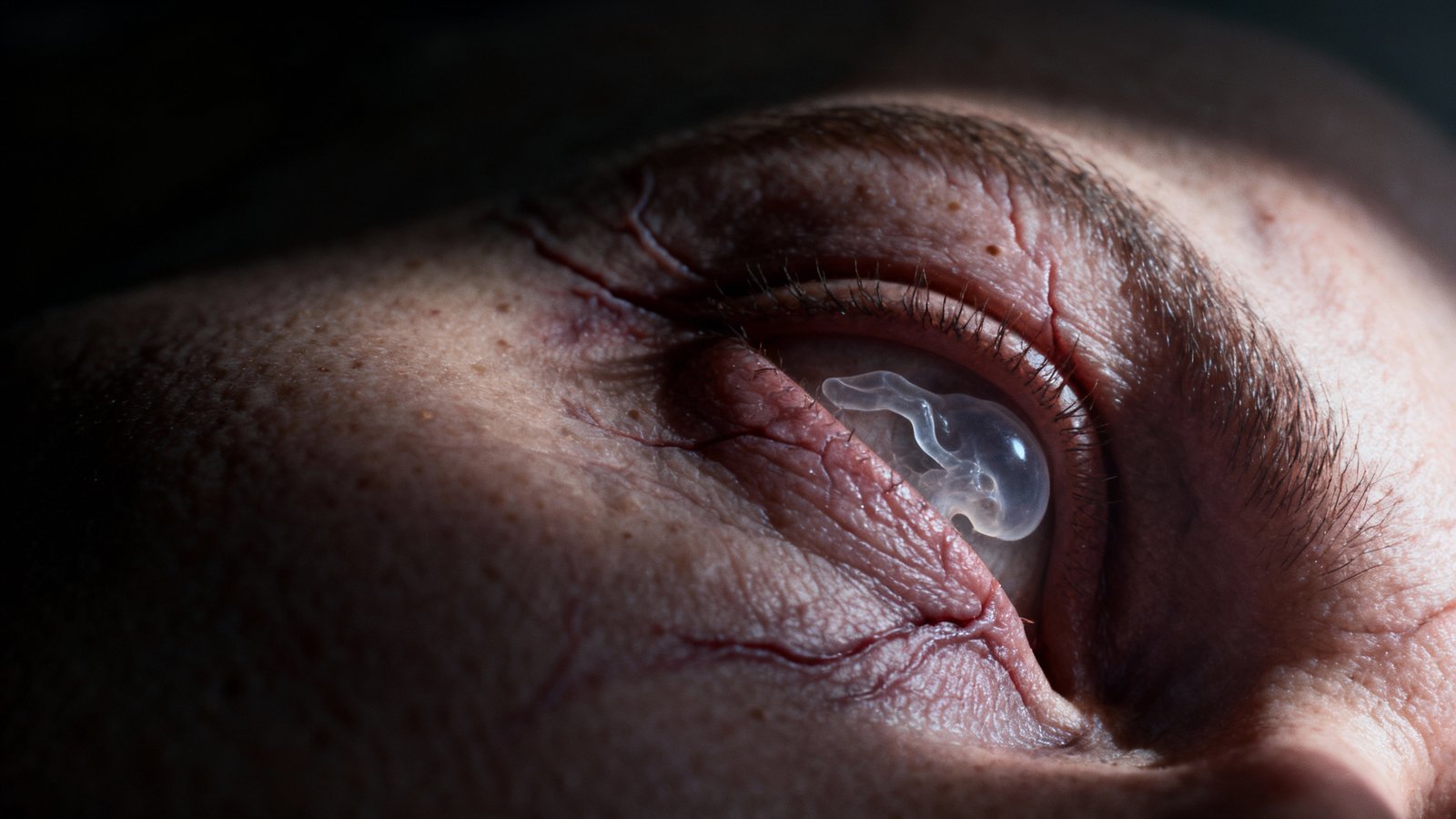
Look, I get it. Nobody wants to talk about things crawling inside them. It’s just… inherently gross. It’s the stuff of horror movies, right? But here’s the thing, scientists aren’t making this up for a cheap thrill. They’re actually ringing the alarm bells pretty loud about something that’s probably already making your skin crawl just thinking about it: parasites. Yeah, those little critters. And they’re not just a problem “over there” anymore. Oh no. Researchers are saying there’s an “urgent need” to address a growing parasitic population, and frankly, that’s not exactly the kind of news I wanted to wake up to this morning.
Seriously, What the Heck Are We Talking About?
So, you see headlines like “Dangerous Organisms Rising Threat” and your brain probably jumps to some new superbug, or maybe a virus, because that’s what we’ve been conditioned to worry about lately, right? Viruses, bacteria, all the microscopic stuff. And don’t get me wrong, those are big deals. But parasites? They’re often the forgotten cousin in the public health family. The ones that are, if I’m being honest, a bit more insidious. They’re not just passing through. They want to move in. And they’re getting bolder.
The folks over at People.com (yeah, even People is covering this, which tells you it’s got some mainstream oomph) are citing researchers who are practically shouting about this. We’re talking about things like brain worms, heartworms, lung flukes – the kind of stuff that makes you do a full-body shudder. And the “urgent need” part? That’s not hyperbole. That’s a direct quote, basically. It means we’re not just seeing a few isolated cases anymore. This is a pattern. A trend. A really, really unsettling trend.
I mean, think about it. For years, when you heard about these kinds of parasites, you probably pictured some remote, tropical locale. A place where the infrastructure isn’t great, maybe the water quality is iffy, and it’s super hot and humid. And yeah, those places are still dealing with plenty. But what’s happening now is that these “tropical” diseases, these “exotic” parasites, they’re not staying put. They’re like that one relative who shows up uninvited and then just… never leaves. Except these relatives are tiny, often invisible, and want to live in your organs. Charming.
It’s Not Just About Travel Anymore, Is It?
This isn’t just a story about someone coming back from a backpacking trip through the Amazon with an unwanted souvenir. Although, that definitely still happens. The bigger picture here, from what I can tell and from what these researchers are hinting at, is way more complex. It’s got layers, like an onion, but a really gross, parasitic onion. We’re talking climate change, for starters. Warmer temperatures mean parasites can thrive in places they never could before. Places like, oh I don’t know, your backyard.
And then there’s globalization. People move, goods move, animals move. We’re all connected, which is great for business and culture and all that jazz, but it’s also a superhighway for pathogens. And parasites. So a parasite that used to be confined to a specific region can suddenly hitch a ride on a mosquito, an imported plant, or even a person, and boom – new territory. It’s like they’re expanding their empire, little by little, one unsuspecting host at a time.
But Wait, Are We Just Being Paranoid?
Okay, I know. It’s easy to get freaked out. And I’m not trying to make everyone paranoid enough to start boiling their tap water and wearing a hazmat suit to the grocery store. That’s not helpful. But dismissing this as just another “sky is falling” moment? That’s not smart either. Because the scientists who study this stuff – the parasitologists, the public health experts – they don’t just wake up one morning and decide to scare the pants off us. They’re seeing actual data. They’re observing trends. They’re looking at what’s happening in clinics and labs and out in the field.
“This isn’t just about obscure illnesses in far-off lands anymore. The threat is global, and it’s evolving faster than we’re reacting.”
That quote, or at least the sentiment of it, is basically what I’m hearing. It’s not just about the big, flashy outbreaks that get primetime news coverage. It’s the slow creep. The subtle shift in where these things are found, how common they’re becoming, and how hard they are to treat once they’ve set up shop. And that’s the part that really makes you pause, isn’t it? Because if they’re getting harder to treat, and they’re showing up in new places, then what?
The Meat of It: What We’re Missing
Here’s what I think a lot of us, myself included until I started digging into this, are missing: we tend to think of parasites as something easily identifiable, something that causes immediate, obvious symptoms. Like, you eat some bad sushi and get food poisoning, or you step on something in a dirty pond and get a weird rash. But these guys? Many of them are masters of disguise. They can hang out in your system for ages, causing vague symptoms that doctors might attribute to anything from stress to allergies to chronic fatigue syndrome. They’re sneaky. Really, really sneaky.
And that’s a huge problem. Because if doctors aren’t looking for them, if they’re not even on the radar in places where they used to be unheard of, then diagnosis is delayed. And treatment is delayed. And the longer these things have to reproduce and do their thing inside you, the more damage they can cause. We’re talking about potential organ damage, neurological issues, chronic pain – a whole host of debilitating problems that could have been avoided if we’d just, you know, paid attention earlier.
This isn’t just a public health issue; it’s an economic one too. Think about the healthcare costs. The lost productivity. The sheer human suffering. It piles up. And it’s not just one type of parasite either. It’s a whole zoo of them. Roundworms, tapeworms, flukes, protozoa – each with its own preferred hiding spots and nasty tricks. It’s a lot to wrap your head around, honestly. And it’s enough to make you wonder what else is out there, lurking, just waiting for the right conditions to really make a move.
What This Actually Means
So, what’s the takeaway here? Am I telling you to panic? No. But I am telling you to be aware. To actually pay attention when researchers, who spend their lives studying this stuff, start using words like “urgent need.” It means we, as a society, need to invest more in research, in surveillance, in public health education. We need to stop thinking of parasites as just some gross, niche problem. They’re becoming a global health challenge, and ignoring them is just inviting more trouble.
For you, personally? It means maybe being a little more mindful. Washing your hands. Cooking your food thoroughly. Being aware of your surroundings, especially if you’re traveling or spending time outdoors in areas that are getting warmer. And if you’re feeling consistently unwell, with symptoms that just don’t make sense, and your doctor isn’t finding answers, don’t be afraid to ask about less common possibilities. Because sometimes, the thing that’s making you sick isn’t a virus or a bacteria. Sometimes, it’s a tiny squatter who decided your body looked like a pretty nice place to settle down. And that, my friends, is a thought that will probably keep me up tonight…