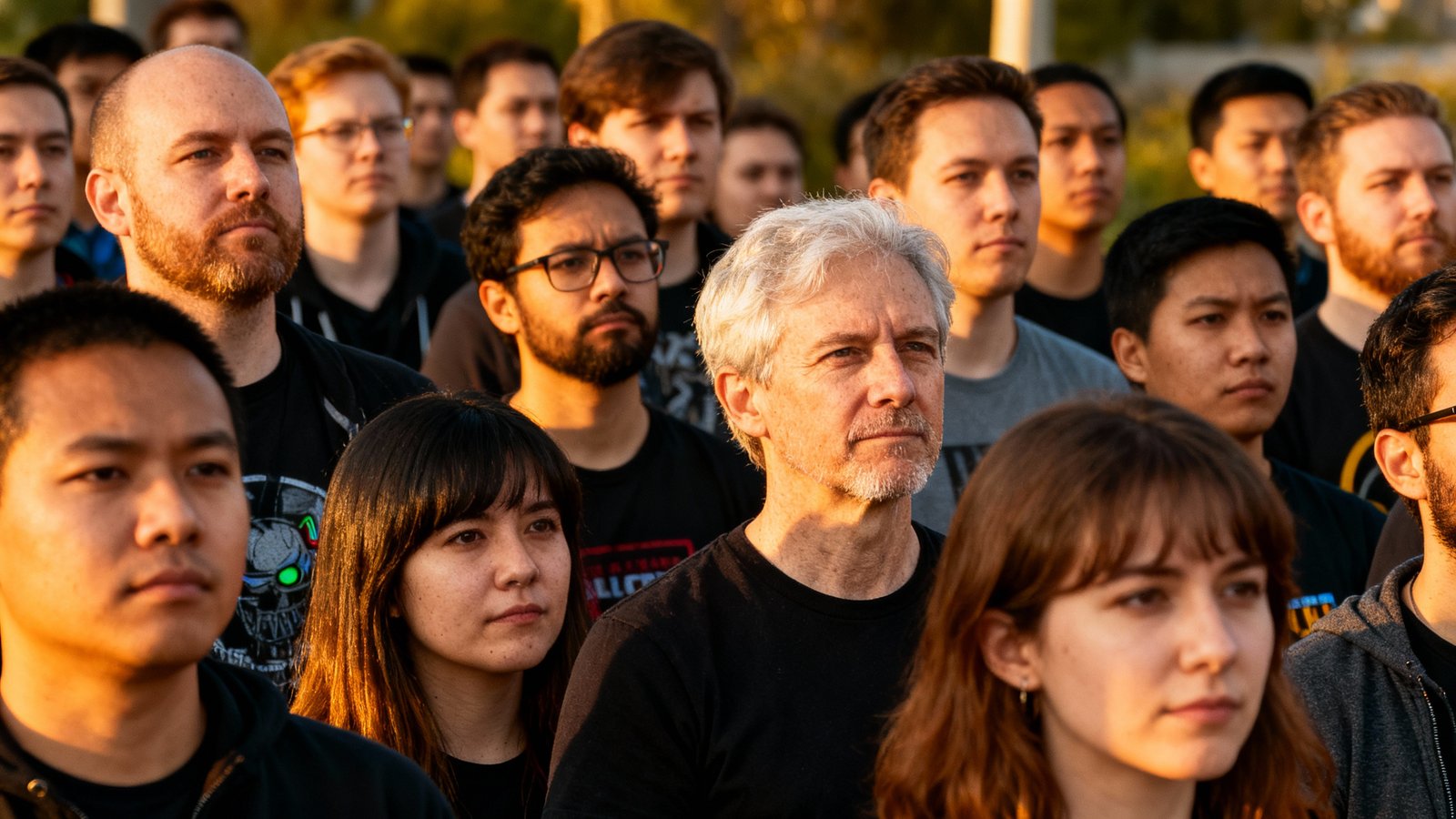
Okay, so get this: a full 82% of game developers in the U.S. are saying, loud and clear, “Yeah, we want unions.” Eighty-two percent! That’s not just a majority, that’s practically everyone in the room raising their hand, right? This isn’t some fringe idea bubbling up from a handful of disgruntled folks. This is a massive, overwhelming cry for change from an industry that, let’s be honest, has been notorious for chewing people up and spitting them out for way too long.
So, What’s the Big Deal? (Everything, Actually)
I saw this pop up on Reddit, thanks to a user named /u/FootballAndFries – good name, by the way, very American – linking to an actual survey from Game Developer, which is a pretty reliable source for, well, game developers. And the numbers, man, they’re stark. This wasn’t some casual poll; it was a deep dive into the industry’s sentiment, and what it found should shake some boardrooms to their core.
Look, I’ve been watching this industry for, well, longer than I care to admit. And the stories you hear? They’re brutal. Endless crunch times, working 80-hour weeks for months on end just to hit a deadline, only to be laid off the day after the game ships. It’s a cycle of exploitation that’s been normalized under the guise of “passion.” Oh, you love games? Great! Prove it by sacrificing your health, your relationships, your sanity, and then maybe, just maybe, you’ll get a tiny slice of the multi-billion-dollar pie we just baked.
The thing is, game development isn’t some tiny indie hobby shop anymore. It’s a massive global industry, generating insane profits for publishers and executives. We’re talking about companies that make billions, BILLIONS, off the backs of these incredibly talented, incredibly dedicated people. And yet, the working conditions for many remain shockingly bad. Like, really, truly bad. I mean, we’re talking about a creative field, one that should be fostering innovation and well-being, but often feels more like a digital sweatshop.
The Grind is Real, Folks
It’s not just the hours, although those are a huge part of it. It’s the instability. The constant threat of layoffs, the project cancellations that leave entire teams scrambling. It’s the feeling of being disposable. You spend years, literal years, pouring your heart and soul into a game, only to see the studio close or your department downsized right after launch. Who cares if you missed your kid’s birthday or your spouse’s anniversary? The game shipped! Now go find another job.
And let’s not even get started on the mental health aspect. The burnout is palpable. Depression, anxiety, stress-related illnesses – these aren’t just buzzwords in game dev circles; they’re daily realities for a lot of people. It’s no wonder 82% want a damn union. They’re tired. They’re exhausted. And they’re fed up.
Why Now? Or, More Like, Why Not Sooner?
Honestly, the real question isn’t why now, but why it took so long. For years, there was this prevailing attitude, almost a cultural myth, that unionizing would stifle creativity. That it would somehow make game development less “fun” or “artistic.” Which, if I’m being honest, is a load of bunk. It’s an argument pushed by management to keep labor costs down and maintain absolute control. It’s the old “passion tax” argument – you’re so passionate, you should be willing to suffer for it. What a crock.
But something’s shifted. Maybe it’s seeing other creative industries, like Hollywood writers and actors, successfully unionize and fight for better conditions. Maybe it’s the increasing transparency online, with developers sharing their horror stories on social media and forums. Or maybe, just maybe, people are finally realizing that passion doesn’t pay the rent, and it certainly doesn’t buy you health insurance when you collapse from exhaustion.
“You pour your heart and soul into these digital worlds, right? And then, just like that, you’re disposable. It’s a gut punch, every single time.”
This isn’t about being anti-company. It’s about being pro-worker. It’s about creating a sustainable career path in an industry that desperately needs one. It’s about having a voice, having some leverage, and being able to negotiate for things like reasonable hours, fair pay, benefits, and job security. Basic stuff, really. Stuff that most other established industries take for granted.
Third Section
The implications of this 82% figure are huge. It means the dam is about to break. It means the excuses about “unique industry culture” are wearing thin. When such a massive supermajority of workers wants something, it’s not a fringe movement; it’s a tidal wave. And companies, no matter how big or how rich, can’t ignore a tidal wave forever.
Of course, this won’t be easy. The companies will fight it. They always do. They’ll hire high-priced lawyers, launch anti-union campaigns, and probably try to scare their employees with talk of lost jobs or slower development cycles. We’ve seen this playbook a thousand times across a thousand different industries. But the difference this time is the sheer scale of support. It’s hard to break a unionization effort when almost everyone is on board.
What’s interesting here is that this isn’t just about the money, though fair compensation is definitely part of it. It’s also about respect, dignity, and having a seat at the table. Developers want a say in their working conditions, in the decisions that impact their lives and livelihoods. They want to be treated like skilled professionals, not interchangeable cogs in a giant, crunch-driven machine.
What This Actually Means
This 82% isn’t just a number; it’s a declaration. It’s the sound of an industry finally waking up and realizing its collective power. And honestly, it’s about damn time.
I predict we’re going to see a lot more unionization efforts, and some significant wins, in the game development space in the coming years. It won’t be a smooth ride – there will be bumps, probably some ugly battles, and certainly a lot of corporate pushback. But when nearly nine out of ten people in your workforce are demanding change, that change is pretty much inevitable.
And you know what? Maybe, just maybe, with less burnout and more stability, we’ll even get better games. Developers who aren’t constantly on the brink of collapse might actually have more creative energy, more time to polish, and a healthier environment to innovate. Imagine that. An industry where the people making the magic actually get to live a decent life. It sounds revolutionary, doesn’t it? But it shouldn’t be. It should just be normal.