
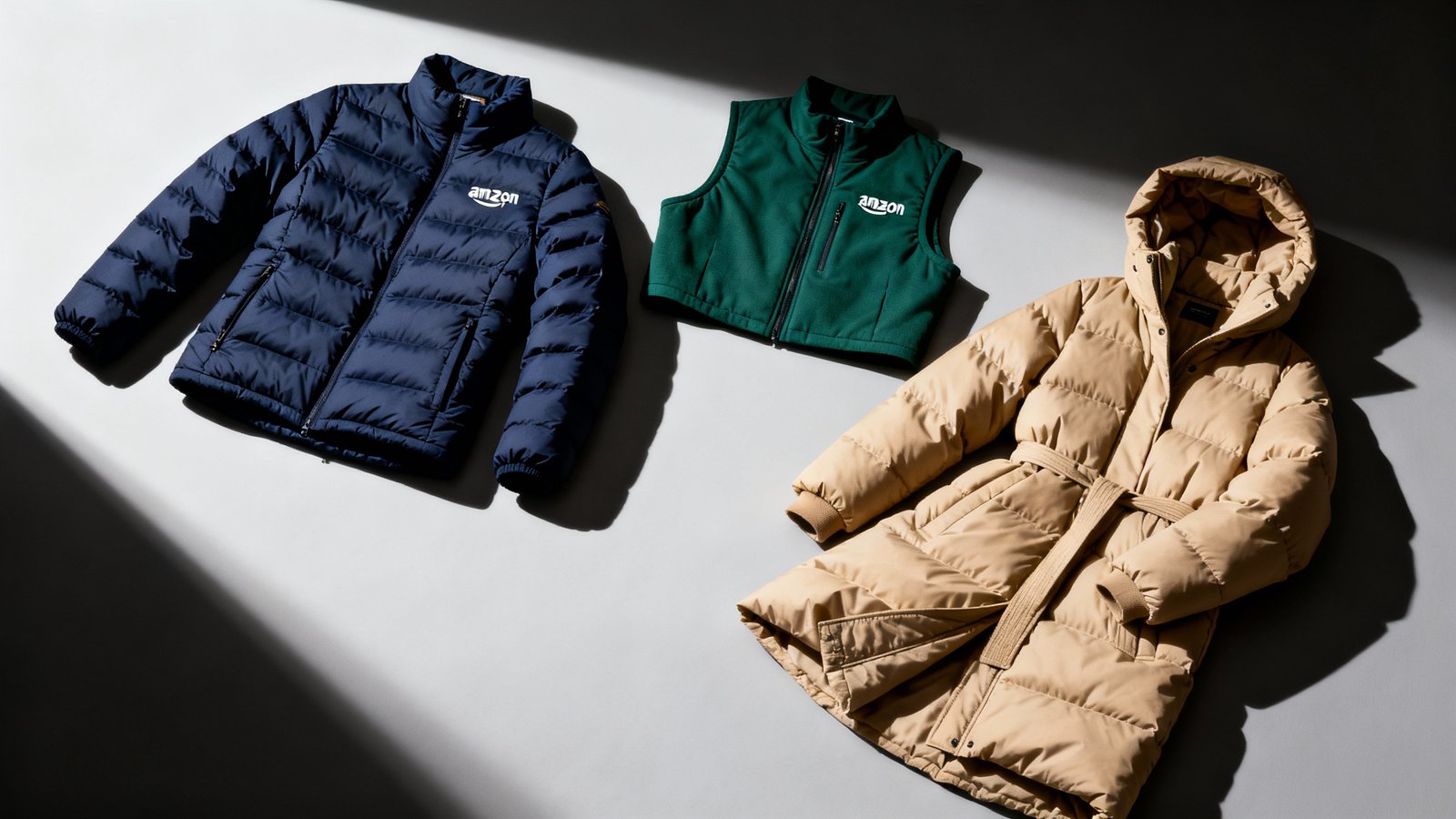
Amazon’s Puffer Takeover: Is This Even Real Life?
Look, I get it. The economy’s a mess, people are trying to save a buck, and a warm coat is a warm coat, right? But the sheer, unadulterated obsession with these Amazon puffers? It’s something else. We’re talking everything from those ridiculously thin, packable ones you can roll up into a ball and shove in your purse (which, let’s be real, are basically glorified windbreakers), to the heavy-duty parkas that promise to keep you toasty in an Arctic blizzard (and probably deliver on that promise for, like, three weeks). And then you’ve got the cropped ones, because fashion, I guess, even when it’s 20 degrees out.
The thing is, People magazine, bless their heart, just did a whole rundown on these things. Nine of them, all under a hundred bucks. And it’s not just People. You see them all over TikTok, Instagram, those “what I bought on Amazon this month” YouTube videos. It’s like a whole cottage industry built around proving you don’t have to spend a fortune to stay warm. Which, okay, fair. But also… is this sustainable? Is it even good?
I mean, we used to debate the merits of down versus synthetic fill, the waterproof ratings, the ethical sourcing of feathers. Now it’s just, “Does it look cute in my mirror selfie?” And, “Will it ship in two days?” It’s a total paradigm shift, and honestly, it’s a little unsettling if you think about it too hard. Because what does it mean for quality? For design? For, you know, actual clothes?
The Fast Fashion Machine Just Got a Winter Coat
This whole thing, it’s basically fast fashion on steroids. But instead of a trendy top you wear twice, it’s outerwear. Outerwear that, traditionally, you’d want to last. You buy a $70 puffer from Amazon, wear it for a season or two, and then what? Does it hold up? Or does it end up in a landfill, replaced by another $70 puffer next year? It’s a disposable mentality, and I don’t care how cheap it is, that’s not exactly great for the planet. Or your wallet in the long run, if you’re buying a new one every year.
And the styles! Cropped, oversized, fitted, iridescent, matte. They’ve got every look under the sun. It’s like designers just threw everything at the wall to see what would stick, and then Amazon just said, “Yep, we’ll make all of it. And we’ll do it for less than your grocery bill.” It’s impressive in a terrifying, industrial-scale sort of way.
But Wait, Are These Puffers Actually… Good?
That’s the million-dollar question, isn’t it? Or, rather, the under-$100 question. Because if they’re absolute junk, then who cares how cheap they are? But from what I can tell, reading through reviews (and yeah, I admit, I’ve scrolled a few times myself out of morbid curiosity), a lot of people seem genuinely happy. They’re warm enough for most city winters. They look decent. They’re comfortable. And they don’t break the bank.
“It’s like people found out you could get a decent cup of coffee for two bucks instead of five, and suddenly Starbucks is on notice. Except, you know, for coats.”
It’s not like these are heirloom pieces. Nobody’s passing down their Amazon Essentials puffer to their grandkids. But for the immediate need, for the person who just needs a coat and doesn’t want to spend half their paycheck on it, they seem to hit the mark. It’s a utilitarian purchase that’s become a bit of a phenomenon. And you know, I’ve seen some of these on people, and they don’t look half bad. Some of them actually look pretty stylish, not gonna lie.
The Real Cost of the Cheap Puffer Obsession
Here’s the thing, though. This isn’t just about a coat. This is about what Amazon has become. It’s the everything store, yeah, but it’s also become a major fashion player without anyone really noticing until it was too late. Traditional retailers, especially those mid-tier brands that used to be the go-to for a decent, affordable coat? They’re getting absolutely clobbered. How can you compete with a company that can churn out nine different styles for under $100 and have them on your doorstep in 48 hours? You really can’t.
And then there’s the question of labor. And materials. How do you make a heavyweight parka, ship it, market it, and still sell it for $80? It’s not magic, folks. It’s a finely tuned, often ethically dubious, supply chain that prioritizes speed and low cost above almost everything else. I’m not saying every Amazon puffer is made by exploited workers in a sweatshop, but I’m also not not saying that the drive for these prices puts immense pressure on manufacturers, and that pressure almost always trickles down to the people making the clothes. It’s just how the system works. And who’s really asking those questions when they’re hitting “Add to Cart”? Probably not many people.
What This Actually Means
So, what’s the takeaway here? Well, if you need a puffer, and you’re on a tight budget, Amazon’s got you covered. Literally. You’ll find something that’ll probably keep you warm enough, and it won’t sting your wallet too bad. That’s the upside.
The downside? It’s another nail in the coffin for thoughtful consumption. It normalizes a throwaway culture for items that used to be considered durable goods. It puts insane pressure on an already struggling retail landscape. And it keeps us from asking tougher questions about where our stuff comes from and who actually pays the true cost. We’re getting cheaper coats, but we’re paying for it in other ways. And I think, honestly, we’re probably just getting started with seeing the ripple effects of this whole “everything cheap and fast” mentality. It’s not just puffers, is it? It’s everything. And that, my friends, is something to really think about the next time you’re scrolling for a deal…