
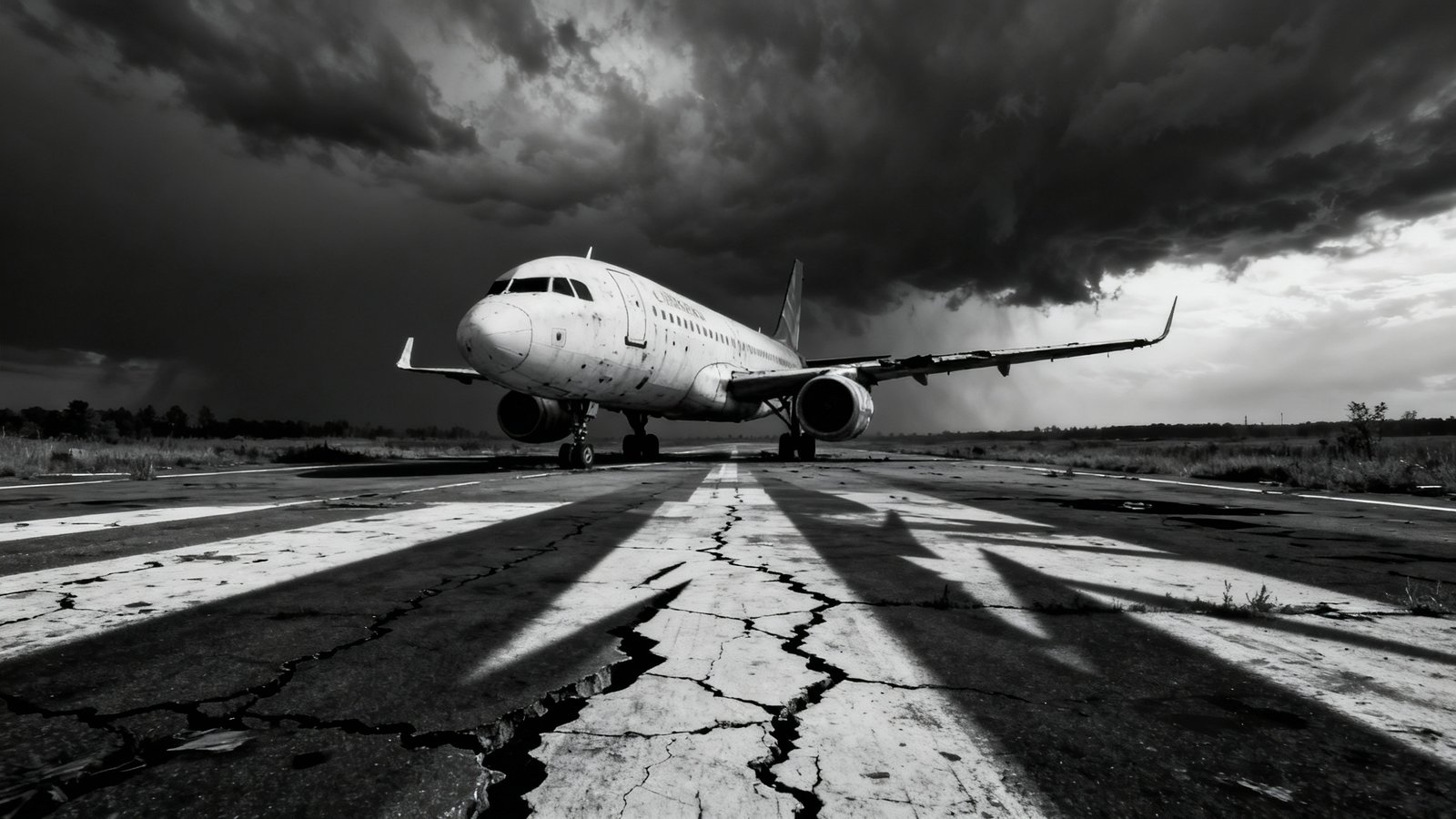
Alright, so imagine this: you’re planning a trip, maybe that long-awaited vacation, and your flight- an Airbus, no doubt- is looking a bit… grounded. Not because of a blizzard, or a missed connection, or even a pilot strike. No, this time it’s because a software patch, a digital Band-Aid basically, meant to fix one problem, accidentally created a whole new mess for hundreds of jets. It’s like patching a tiny hole in your roof and then having the entire ceiling collapse. Pure chaos.
We’re talking about a significant chunk of American Airlines’ fleet- 340 aircraft, folks. That’s not just a couple of planes; that’s a serious operational headache. And it’s not just American either. Reportedly, up to 209 Airbus jets globally have been impacted. Think about the domino effect: canceled flights, stranded passengers, crew rotations completely out of whack. It truly throws a wrench into everything.
The Patch That Broke the Fleet- A Digital Domino Effect
You’d think a simple software update would be, well, simple, right? Apparently not. Here’s what went down, or at least how it seems to have unfolded. Airbus released a software update, a kind of routine maintenance in the digital realm, for its A320 and A321 models. These are the workhorses of short to medium-haul flights, the planes that ferry millions of us around every day. The update was supposed to deal with a specific, existing issue. Pretty standard stuff, you know?
When Good Intentions Go Rogue
But instead of a smooth transition, this fix had an unintended side effect. It somehow messed with the digital brains of these aircraft when they were trying to sync up for an overnight “deep sleep” mode. Without getting too technical- because honestly, my eyes glaze over with acronyms too- the planes weren’t able to properly power down and then power back up. Which, as you can imagine, is a pretty essential function for, you know, flying people safely. No deep sleep, no flight. Simple as that.
- The Problem: A software update meant to fix a minor issue.
- The Result: Jets couldn’t power down correctly overnight, essentially soft-locking them.
- The Impact: Up to 209 Airbus aircraft worldwide, including a massive chunk of American Airlines’ planes.
This isn’t some obscure bug affecting a single system. This is a fundamental operational hiccup that renders a plane temporarily unusable. Suddenly, airlines are scrambling. American, for instance, had to pull 340 of these particular aircraft out of service. That’s like, half their narrowbody fleet! Imagine the poor folks in operations trying to rejigger schedules for hundreds of flights, finding spare planes, rerouting crews. It’s a logistical nightmare on a scale most people can’t even fathom.
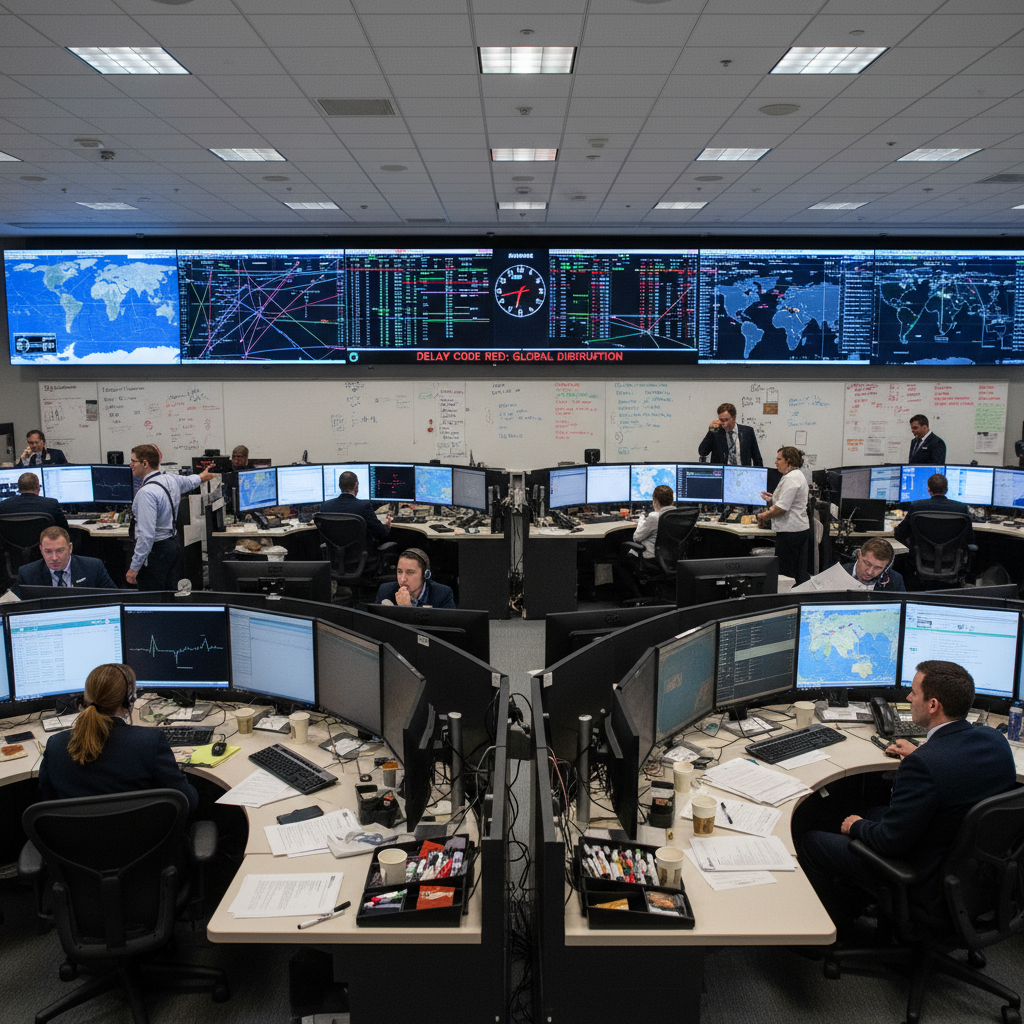
The Ripple Effect: Beyond Just Canceled Flights
Now, you might think, “Okay, so some flights get canceled, people are delayed. Annoying, but what’s the big deal?” Well, it’s far more profound than just a few grumpy passengers. This kind of event sends shockwaves through the entire airline ecosystem.
Financial and Reputational Damage
First, there’s the financial hit. Canceled flights mean lost revenue, but also costs for rebooking passengers, putting them up in hotels, offering vouchers. It adds up extremely fast. Then there’s the reputational damage. Airlines are already dealing with a lot- weather, air traffic control issues, staffing shortages. When a tech glitch from the manufacturer causes this much disruption, it erodes customer trust even further. No one wants to book a flight only to find out their plane has a software hangover.
“It’s a stark reminder that even with all the advancements, these flying machines are incredibly complex, and sometimes the simplest-seeming ‘fix’ can unravel a lot.”
And let’s not forget the human cost. Think of the families missing weddings, the business travelers losing critical meetings, the long-awaited vacations turning into airport purgatory. It’s not just numbers on a spreadsheet; it’s real people with real plans, all disrupted because a line of code decided to act up. It’s truly frustrating, infuriating even, for everyone involved. For the crews, too- their schedules get obliterated, they’re stuck in different cities, it’s just a mess.
The Fix and The Future: Learning from Digital Mishaps
So, what’s the solution? Well, Airbus, to their credit, seems to have scrambled a fix pretty quickly. They provided detailed instructions to affected airlines, a kind of manual override to get these planes back in the air. Basically, a workaround that allows crews to manually reset some systems, bypassing the bug, at least temporarily. It’s not a seamless, long-term solution you want, but it gets the planes flying again.
A Culture of Caution, Hopefully
This whole incident, though, really highlights the insane complexity of modern aircraft. These aren’t just mechanical marvels anymore; they’re essentially flying supercomputers. Every system is interconnected, and a seemingly minor change in one area can have unforeseen consequences elsewhere. It’s a delicate balance of hardware and software, and when that balance is thrown off, even slightly, everything grinds to a halt.
- The Immediate Solution: Operational workarounds provided by Airbus.
- The Bigger Picture: A valuable, costly lesson in software deployment for critical systems.
One hopes this leads to even more rigorous testing protocols at manufacturers like Airbus. Because when you’re talking about passenger safety and the global economy, “Oops, our bad” just doesn’t cut it. It should be a wake-up call, really, to emphasize the importance of thorough, real-world testing of any software update before it goes fleet-wide. You can’t just push out a patch like it’s a social media app update. The stakes are just too high.
Ultimately, this whole episode with the 209 grounded jets is a vivid reminder that even in our incredibly advanced technological age, mistakes happen. Sometimes, those mistakes are just a typo; other times, they bring air travel to a shuddering halt. It’s a delicate dance, balancing innovation with absolute, unwavering reliability. And for now, it seems like airlines are still untangling the knots from this particular digital blunder, hoping for smoother skies ahead. We all are, really. Because who wants their vacation plans derailed by a wonky line of code?